
Common Causes of Roof Leaks in Southern California: The 2026 Expert Guide
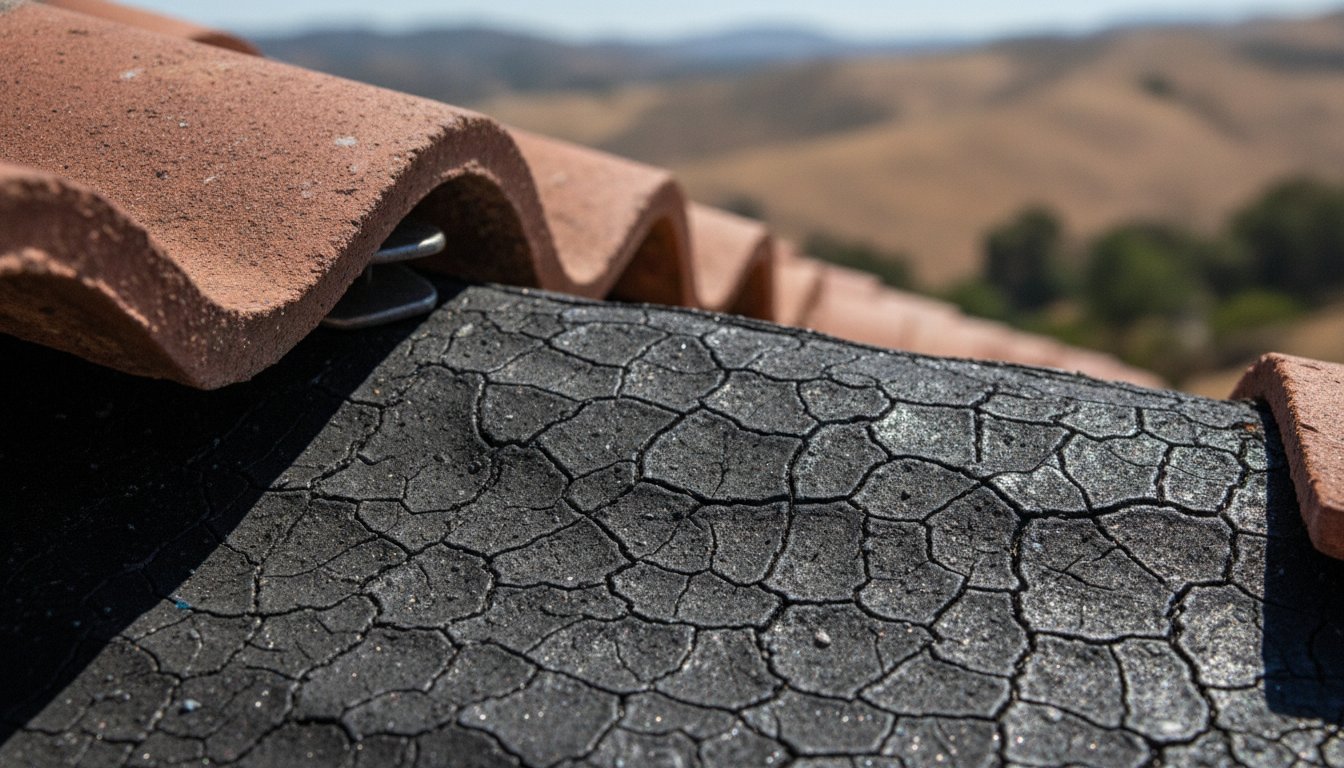
What if the biggest threat to your roof isn't a torrential rainstorm, but the relentless Southern California sun? While many homeowners from Los Angeles County to the Inland Empire only worry about their overhead protection when the clouds finally roll in, the actual damage usually begins during the triple-digit heat of summer. The common causes of roof leaks in our region are often invisible. They are rooted in years of intense UV radiation and thermal cycling that "bakes" your underlayment until it becomes brittle, long before your shingles or tiles show any outward signs of distress.
It's natural to feel a sense of dread when you spot a localized stain on your ceiling or worry about mold growth in the attic. You deserve to know exactly what is happening above your head without the pressure of a high-stakes sales pitch. This guide will help you identify the hidden culprits behind your leaks and explain how our unique climate dictates your specific repair strategy. We will explore the technical differences between tile and shingle vulnerabilities, the impact of the 2026 wildfire safety codes, and how modern roof rejuvenation can often save you from the cost of a premature replacement.
Key Takeaways
- Recognize how the intense heat of the Inland Empire accelerates material brittleness and compromises your home's protective barrier.
- Identify the common causes of roof leaks, including failed underlayment and compromised flashing, before they lead to mold growth in your attic.
- Understand the critical difference between tile and shingle vulnerabilities, especially how salt air and thermal expansion affect different materials.
- Learn simple interior and exterior inspection techniques to spot moisture issues during the dry season.
- Discover when a targeted "Lift and Relay" or modern roof rejuvenation can extend your roof's life without the cost of a full replacement.
Understanding the Local Culprits: Why Southern California Roofs Leak
In Southern California, a leaking roof is rarely the result of a single storm. Instead, it is usually the final stage of a long process involving the region's punishing environment. While homeowners in Riverside or San Bernardino Counties might only look up when the clouds turn gray, the real damage happens under clear blue skies. The common causes of roof leaks in our area are often tied to the invisible wear and tear that occurs during our long, dry summers.
UV Degradation in the Inland Empire
The sun is the most persistent enemy of your home's exterior. Intense UV radiation acts like a slow-motion microwave. It breaks down the chemical bonds in asphalt shingles and the protective underlayment beneath tile systems. This process leads to significant granule loss. Without these stone granules, the underlying waterproof layers are exposed to direct sun damage. Many residents refer to the resulting brittle wood or paper as "dry rot," but this is actually sun-induced structural failure. The materials lose their flexibility, crack, and eventually allow water to seep through during the first winter drizzle.
Thermal Cycling and Structural Movement
Your home is constantly moving. As temperatures soar to 100 degrees in the afternoon and drop at night in the Inland Empire, roofing materials expand and contract at different rates. Metal flashing, clay tiles, and wooden rafters all react differently to heat. This creates immense stress on "penetrations" such as chimneys, skylights, and attic vents. Thermal expansion is the primary cause of sealant cracking in Orange County homes. When sealants pull away from joints, they leave microscopic gaps that act as funnels for rainwater.
The Santa Ana winds add another layer of complexity to these common causes of roof leaks. These high-velocity gusts can lift shingles or shift heavy tiles just enough to create hidden entry points. You might not see a missing shingle from the ground, but the adhesive seal is broken. When the infrequent but heavy downpours finally hit, they overwhelm aging drainage systems. This is particularly dangerous for modern homes with Flat Roof Vulnerabilities, where standing water can find its way into the smallest structural crack. Understanding these local factors is the first step in identifying problems before they become expensive emergencies.
The 5 Most Common Technical Causes of Roof Leaks
Identifying the exact source of a ceiling drip requires a systematic approach. While the environmental factors discussed earlier start the degradation process, specific technical failures are what finally allow water into your living space. These five common causes of roof leaks represent the most frequent issues we encounter during our service calls across Southern California.
Flashing Failures and Sealant Cracking
Metal flashing is your roof's primary defense at joints and transitions. In the intense heat of Lake Elsinore, these metal strips expand and contract rapidly. This constant movement often pulls the flashing away from masonry chimneys and dormers. Many builders rely on standard roofing cement to bridge these gaps. Unfortunately, this material dries and cracks within just a few seasons. We prioritize professional-grade, high-flexibility sealants that maintain a bond despite extreme temperature swings. Look for rusted metal or visible gaps around your chimney. These are early warning signs of a failing seal.
The Crisis of Failed Roof Felt
Tile roofs are a staple in San Bernardino homes, but many owners don't realize that the tiles themselves aren't the primary waterproof barrier. That responsibility falls on the underlayment, or felt. In homes over 20 years old, the original organic felt often becomes brittle and "paper-like." Water can travel hundreds of feet under your tiles before finding a small crack in this failed layer. Once the underlayment is compromised, your home is at risk. We often recommend a specialized felt replacement through a "Lift and Relay" process. This allows us to preserve your existing tiles while installing a modern, durable waterproof system underneath.
Beyond flashing and felt, other technical vulnerabilities include:
- Clogged Gutters and Downspouts: Debris from local eucalyptus or pine trees causes water to back up under the eaves and into your soffits.
- Cracked Pipe Boots and Vents: The Pacific sun roasts plastic and rubber seals around roof penetrations until they split.
- Improperly Sealed Valleys: Where two roof slopes meet, the water volume is highest. If these areas aren't properly lined, they become immediate failure points.
Addressing these common causes of roof leaks early can save you thousands in interior repair costs. If you noticed any of these signs during the last dry spell, a professional roof inspection is a wise next step to ensure your home remains protected. Don't wait for the next storm to test your roof's integrity.
Material-Specific Vulnerabilities: Tile vs. Shingle Roofs
While environmental factors like UV rays are universal, the specific way your roof fails depends heavily on its material. In Southern California, we see a distinct split between coastal homes and inland residences. For instance, asphalt shingles in Huntington Beach face constant salt air, which can lead to premature curling and wind uplift during ocean gusts. Conversely, the common causes of roof leaks in inland areas like Corona often relate to extreme heat and poor attic ventilation. Understanding these material-specific weaknesses helps you choose the right repair strategy before a small drip becomes a major expense.
Shingle Roofs: Granule Loss and Aging
Asphalt shingles rely on a layer of ceramic granules to reflect the sun's rays. Once these granules wash away into your gutters, the underlying asphalt is left "bald" and defenseless. In cities like Corona, poor attic ventilation can actually cook shingles from the inside out, causing them to become brittle and crack. If your shingles are starting to look worn but haven't reached the end of their life, you may face a choice between roof rejuvenation vs replacement. Rejuvenation can often restore the flexibility of the asphalt, sealing the system and preventing the need for a full tear-off.
Tile Roofs: The Lift and Relay Solution
Concrete and clay tiles are incredibly durable, often lasting 50 years or more. However, the system around them is much more fragile. In Murrieta, one of the most common causes of roof leaks is the "slipped tile" problem. This happens when a single tile shifts due to wind or thermal expansion, exposing the delicate underlayment to direct sunlight. Because the tiles themselves are usually still in good condition, many homeowners don't need a total replacement. Instead, we perform a lift and relay roofing service. This process involves carefully removing the existing tiles, replacing the failed felt underlayment, and then reinstalling the original tiles. It is a cost-effective way to get a "new" roof while maintaining your home's aesthetic.
Modern composite and metal roofing systems present their own challenges. While they are excellent for meeting the 2026 fire resistance standards, they require specialized installation to handle the expansion and contraction of the Southern California climate. Whether you have traditional tile or modern metal, the key is identifying the specific failure point of your material before structural damage occurs.

How to Detect a Roof Leak Before the Rain Starts
Waiting for a storm to reveal a leak is a high-risk strategy. In the Inland Empire, our long dry season is the ideal window for a proactive inspection. By identifying the common causes of roof leaks while the weather is clear, you avoid the stress and inflated costs of emergency tarping or extensive interior water damage. Detecting an issue early is the difference between a simple maintenance task and a full structural repair.
Spotting the Signs of Water Intrusion
Start your inspection inside the home. Look for "ghosting," which appears as faint, yellowish or brownish stains on your ceiling or upper walls. Peeling paint near the ceiling line or a persistent musty odor in the attic often indicates a slow, historical leak that is currently dry but ready to reactivate. It is critical for homeowners to check their ceiling fans and light fixtures for moisture signs. Water often travels along electrical conduits and pools inside these fixtures before it ever drips onto the floor. If you see corrosion or water spots inside a glass light cover, you likely have an active entry point above.
Don't ignore the attic environment itself. Sometimes, what looks like a leak is actually a failure in attic ventilation. If your vents are blocked, hot air from your home hits the cool underside of the roof deck at night, creating condensation. This moisture drips onto your insulation, mimicking the appearance of a roof leak. Differentiating between an active leak and an old water stain is vital for choosing the right repair strategy.
The Preventative Roof Tune-Up
An exterior visual check from the ground can reveal crooked tiles, cracked shingles, or "debris dams" where leaves have piled up in roof valleys. However, a professional roof tune up provides a much deeper level of security. This service goes beyond a simple glance. It includes cleaning gutters, resealing pipe boots, and securing loose shingles or tiles before the Santa Ana winds or winter rains arrive.
Fall is the most critical time for maintenance in San Diego and Riverside Counties. Addressing minor issues now prevents them from becoming structural nightmares in January. Our team in Lake Elsinore has seen how small maintenance steps can add years to a roof's lifespan. If you haven't had your system checked in the last two years, you can schedule a professional inspection to identify any hidden vulnerabilities before the first drop of rain falls.
Professional Solutions: When to Repair, Rejuvenate, or Replace
Once you understand the common causes of roof leaks, the next step is determining the most ethical and cost-effective path forward. Not every ceiling stain requires a complete tear-off. In many cases, a targeted repair or a modern rejuvenation treatment can restore your home's integrity for a fraction of the cost. Our goal is to provide a transparent assessment that respects your budget while ensuring your family stays dry during the winter months.
Making the Right Choice for Your Investment
Deciding between a fix and a full overhaul requires a careful look at the numbers. You should compare the long-term roof replacement cost against the price of recurring, temporary repairs. If your underlayment has completely failed or the roof deck shows signs of structural rot, a replacement becomes the only safe option to protect your property value. Our expertise across specialized systems, including tile, metal, and foam roofing, ensures you receive a recommendation tailored to your specific structure. Rejuvenation treatments are also an excellent way to restore flexibility to brittle asphalt shingles in our high-heat environment.
The UEC Advantage: Quality Craftsmanship
We take immense pride in our track record of over 2,000 successful projects across the region. As a local expert with a brick-and-mortar status in Lake Elsinore, we understand exactly how regional weather and 2026 building codes impact your home. When you're looking for a residential roofing contractor Southern California families can trust, prioritize companies that offer a history of local reliability. We aim to be your "roofer for life" by providing honest evaluations and high-caliber workmanship every time.
Don't let the common causes of roof leaks compromise your peace of mind. Contact UEC Roofing today for a detailed inspection. We'll help you identify the best strategy to keep your home secure for years to come.
Secure Your Home’s Future Above the Inland Empire
Understanding the common causes of roof leaks in our unique climate is the first step toward long-term security. We've explored how the Pacific sun and Santa Ana winds degrade materials long before the first rain cloud appears. Whether it's the "baking" of tile underlayment or the granule loss on asphalt shingles, proactive detection saves you from the stress of emergency repairs. You don't have to navigate these technical decisions alone.
UEC Roofing brings the expertise of over 2,000 successful projects to every home in Lake Elsinore and the surrounding counties. We specialize in both traditional tile and modern shingle systems, focusing on honest assessments that prioritize your investment. Our "roofer for life" philosophy means we only recommend replacement when it's truly necessary. Often, a professional tune-up or rejuvenation is all you need to restore your peace of mind.
Schedule your expert roof leak inspection with UEC Roofing today. Take control of your home's protection now and enjoy the confidence of a roof built to last.
Frequently Asked Questions
What are the first signs of a roof leak inside the house?
Look for yellowish stains on ceilings or bubbling paint on walls. Water often follows the path of least resistance, so check around ceiling fans and light fixtures. If you notice a musty smell in the attic, moisture is likely trapped in your insulation.
Can a roof leak only when it rains hard?
Yes. Heavy or wind-driven rain can force water into small gaps that stay dry during light drizzles. These common causes of roof leaks often involve compromised flashing or shingles that have been lifted by Santa Ana winds, allowing water to bypass the primary barrier.
Is it possible to repair a roof leak from the inside?
No. Patching a leak from inside the attic only hides the problem while water continues to rot your roof deck. You must seal the entry point on the exterior to prevent structural failure. Internal "fixes" often lead to hidden mold growth and more expensive repairs later.
How much does it cost to fix a common roof leak in Southern California?
Costs depend on the material, the height of the roof, and the extent of the damage. A simple flashing seal is less intensive than a complex tile relay. Because every home is different, a professional inspection is the only way to get an accurate assessment for your specific structure.
Does homeowner's insurance cover roof leaks caused by wear and tear?
Insurance generally covers sudden, accidental damage like a fallen tree or storm impact. It rarely covers leaks caused by gradual wear, such as sun-baked underlayment or old shingles. Regular maintenance is your best defense against these uncovered, age-related expenses.
How long can I wait to fix a small roof leak?
You shouldn't wait more than 24 to 48 hours. Mold can begin to colonize damp attic spaces very quickly in our warm climate. What starts as a minor drip can rapidly evolve into a structural issue or a health hazard for your family.
What is the difference between a roof repair and a roof tune-up?
A repair is a reactive fix for an active leak. A tune-up is a proactive maintenance service where we seal penetrations and clear debris to prevent common causes of roof leaks. Think of a tune-up as preventative care that extends your roof's lifespan.
Why is my tile roof leaking if the tiles aren't broken?
The leak is likely coming from the underlayment beneath the tiles. While clay and concrete tiles are durable, the waterproof felt layer eventually becomes brittle from the heat. Once this layer cracks, water will seep through even if your tiles look perfectly intact from the street.