
Cracked Roof Tile Repair: A Southern California Homeowner’s Guide (2026)
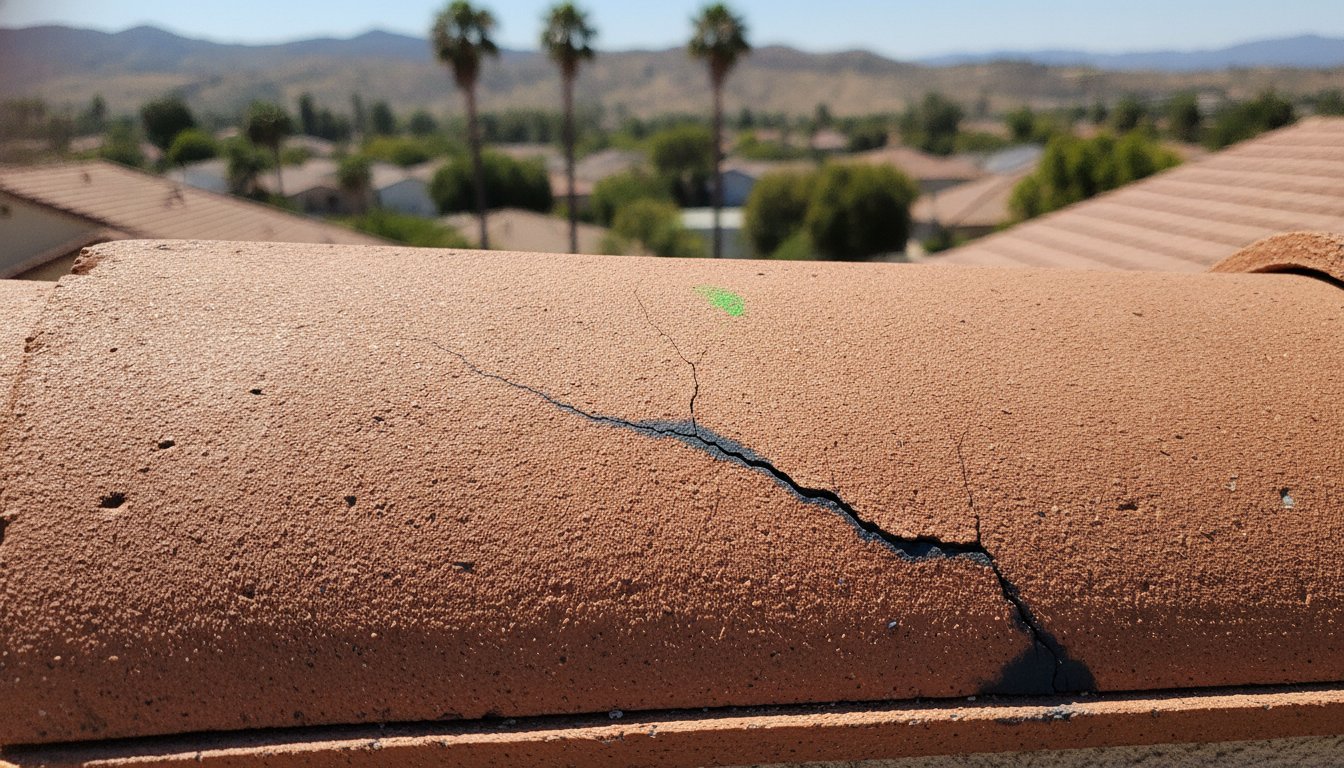
Is that single hairline fracture on your roof just a cosmetic blemish, or is it a ticking clock for your home’s structural integrity? Most homeowners in the Inland Empire and across Riverside County assume a small crack is a minor issue they can ignore until the next Santa Ana wind event. It's natural to worry that a simple inquiry about cracked roof tile repair will result in an aggressive sales pitch or an inflated estimate for work you don't actually need.
You deserve a transparent partner who prioritizes the long-term stability of your property. We understand that your roof is a critical investment for protecting your family and your home's value. This guide provides the clarity you need to distinguish between a routine fix and a necessary "Lift and Relay" service. We will explore the latest 2026 fire safety standards for Southern California homes, compare material durability, and share insights from our track record of over 2,000 successful regional projects. From Lake Elsinore and Orange County to Los Angeles and San Bernardino, here is how to ensure your home remains leak-free and secure.
Key Takeaways
- Learn how extreme UV exposure and thermal expansion in the Inland Empire create brittle tiles and hairline fractures.
- Understand why prompt cracked roof tile repair is critical to protect the underlying waterproof felt from sun damage.
- Apply the "Three-Inch Rule" to accurately assess whether you need isolated repairs or a full roof tune-up.
- Discover why the specialized Lift and Relay method provides a more durable solution than simply gluing broken tiles.
- Prepare for Santa Ana winds by clearing debris and addressing minor damage before it leads to structural water issues.
Common Causes of Cracked Roof Tiles in Southern California
Southern California provides a demanding environment for roof tiles. While these materials are chosen for their durability and fire resistance, the local climate in the Inland Empire eventually takes a toll. Understanding why damage occurs is the first step in determining if you need a simple fix or a more comprehensive cracked roof tile repair strategy. Most tile roofs are designed to last for decades, but they aren't invincible against the unique stressors of our region.
Environmental Stressors: Sun and Wind
Extreme UV exposure is a silent catalyst for roof damage. In cities like Riverside and San Bernardino, the sun's intensity breaks down the chemical bonds within concrete tiles over several decades. This process, known as photo-degradation, makes the material brittle and prone to snapping under even light pressure. The problem is compounded by thermal expansion cycles. When temperatures soar to 100 degrees and then plummet at night, the tiles expand and contract. This constant movement creates internal fatigue that results in visible fractures. It's a relentless cycle that tests the structural integrity of every home in the valley.
High-velocity Santa Ana winds present a different challenge. These wind events, particularly in areas like Temecula, can create enough lift to rattle tiles. If a tile is lifted and then slams back onto the roof deck, it often shatters. Wind-blown debris, such as heavy tree branches, also causes significant impact damage during the peak storm season. A tile that looks fine from the ground might actually be holding a hairline crack caused by a previous wind event.
Human and Structural Factors
Not all cracks are caused by the weather. Foot traffic from third-party contractors is a leading cause of broken tiles. Solar installers, satellite technicians, and painters often walk across roofs without using proper weight-distribution techniques. Stepping on the center or the lower edge of a tile, rather than the reinforced overlap area, will cause an immediate break. Most homeowners don't realize they need cracked roof tile repair until the next rainy season reveals a leak.
- Seismic Activity: Minor tremors and local seismic shifts cause the home's framing to settle. This movement can force tiles to "pinch" against each other, leading to pressure cracks at the corners.
- Age and Wear: As tiles reach the end of their lifespan, they lose their protective finish. This allows moisture to seep into the material, weakening it from the inside out.
- Manufacturing Flaws: Occasionally, older batches of concrete tiles may have air pockets or inconsistent mixtures that fail prematurely under stress.
Addressing these issues early is essential. A single broken tile might seem insignificant, but it is often a sign of broader environmental stress. At UEC Roofing, we've seen how these small openings lead to major structural issues if left unaddressed. Protecting your investment starts with identifying these common local threats before they compromise your home's interior.
Why You Cannot Ignore a Cracked Tile: The Underlayment Connection
Many homeowners view their roof tiles as the primary waterproof barrier. This is a common misunderstanding. In reality, tiles act as the protective armor. The true waterproof skin is the underlayment, or roofing felt, hidden beneath. When you delay a cracked roof tile repair, you aren't just leaving a blemish on your home's exterior. You are exposing the vulnerable underlayment to the elements. This secondary barrier is what actually keeps your rafters dry and your insulation functional.
Standard roofing felt isn't designed for direct sunlight. It's an organic or synthetic material meant to stay shaded. A single fracture in a tile allows UV radiation to reach the felt. In the intense heat of the Inland Empire, this radiation causes the felt to become brittle and crack within months. Once the underlayment fails, water has a direct path into your home. This is why a "small" crack is often a much larger threat than it appears from the street.
Age changes the physics of your roof. Over time, the protective glaze on clay or concrete tiles wears thin. This leads to the "sponge effect," where the tile begins to absorb moisture rather than shedding it. Additionally, a visible crack often hides a compromised drainage path underneath. Debris and silt accumulate in these gaps, trapping water against the felt and accelerating the degradation of your home's primary defense. If you've noticed broken tiles, it's wise to have a professional roofing contractor inspect the area before the next rain.
The Role of Roofing Felt
Underlayment is the secondary barrier that prevents internal water damage. When the felt is compromised, a simple tile swap isn't enough to secure your home. A professional felt replacement involves removing the tiles, installing new high-grade underlayment, and then relaying the original tiles. This ensures the skin of your roof remains as strong as the armor protecting it.
From Small Crack to Structural Rot
Gravity is persistent. Water enters through a crack, travels along the underlayment, and eventually finds a seam. From there, it reaches the plywood roof deck. In the humid attic spaces of San Bernardino or Orange County, this moisture leads to mold and wood rot. Our expert roof leak repair in Riverside CA often reveals that early detection is the only way to prevent structural damage.
Repair vs. Replacement: Assessing Your Roof Damage
Determining the right path for your roof requires more than just a quick glance from the driveway. While some issues are purely cosmetic, others indicate a system-wide failure. A strategic approach to cracked roof tile repair helps you avoid unnecessary expenses while ensuring your home remains protected. Every inspection should begin with a clear understanding of the difference between a surface-level blemish and a structural threat.
One industry standard we utilize is the "Three-Inch Rule." If a corner chip is smaller than three inches and doesn't expose the underlayment, it might be a candidate for a professional adhesive repair. However, if the crack spans the entire face of the tile, the structural integrity is gone. You also need to look for "slumping" or "sliding" tiles. This often happens when the original fasteners have rusted or pulled through the batten. This indicates that a simple patch won't solve the underlying problem. Homeowners in Lake Elsinore and the Inland Empire often face this decision when weighing roof rejuvenation vs replacement. If the tiles are sound but the surface is porous, rejuvenation can extend the system's life. If damage is widespread, replacement is the more ethical choice.
When a Simple Repair is Sufficient
Minor chips that don't compromise the water-shedding capability of the tile can often be fixed with professional-grade tile adhesives. These materials are specifically engineered to withstand the intense San Bernardino sun. It's vital to match the color and profile of the existing tile to maintain your home's curb appeal. Don't rely on DIY silicone from a big-box store. It lacks the UV resistance needed for Southern California and will likely peel away within a single summer season.
Signs You Need a Full Tile Replacement
Certain types of damage require a complete tile swap to maintain safety. We look for these critical indicators during every assessment:
- Full-Face Fractures: Cracks that run the entire width or length of the tile cannot be sealed reliably.
- Valley Damage: Multiple broken tiles in a single drainage area where water volume is highest.
- Efflorescence: The appearance of white, chalky salt deposits on the tile surface.
This chalky buildup indicates the tile has become porous and is absorbing water rather than shedding it. In Riverside and Orange Counties, this is a clear sign the material is reaching the end of its functional life. Multiple breaks in a concentrated area suggest the underlayment is likely already compromised. In these cases, a full replacement is the only way to ensure a leak-free home for the long term.

Professional Repair Methods: The UEC Roofing Approach
A proper cracked roof tile repair involves more than just swapping one piece of clay for another. At UEC Roofing, we treat every repair as a restoration of the entire roofing assembly. With over 2,000 successful projects completed across the Inland Empire, our team has refined a process that addresses both the visible damage and the hidden vulnerabilities beneath. We don't just patch; we protect. This commitment to quality is why homeowners in Lake Elsinore and beyond trust us to handle their most critical home investment.
The Step-by-Step Replacement Process
Our technicians begin by safely accessing the roof using weight-distribution techniques that prevent further damage to surrounding tiles. Once the broken unit is identified, we don't just pull it out. We carefully remove the adjacent tiles to expose the underlying felt. This is a crucial step that many "roofing cowboys" skip. We must inspect the underlayment for UV degradation, tears, or holes. If the felt is compromised, we repair it before the new tile is installed. This ensures the waterproof skin of your home remains intact.
- Secure Fastening: We use specialized, corrosion-resistant fasteners to ensure the new tile stays put during high-velocity Santa Ana wind events.
- Quality Flashing: In areas like Lake Elsinore where heat is extreme, we use high-grade flashing to prevent water intrusion at roof penetrations.
- Ventilation Check: We ensure your attic ventilation meets current 2026 standards, which helps reduce the heat stress that makes tiles brittle over time.
Specialized Systems: Lift and Relay
Sometimes, a simple repair isn't enough, but a full replacement feels excessive. This is where our Lift and Relay roofing service offers the perfect middle ground. In this process, we carefully remove and stack your existing, high-quality tiles. We then replace 100% of the old, brittle underlayment with new, fire-resistant felt that meets the latest California building codes. Finally, we relay your original tiles back onto the roof.
This method is highly cost-effective because you aren't paying for new tile materials. You get a brand-new waterproof barrier and updated flashing while maintaining the aesthetic of your home. It’s a sustainable, professional solution that provides decades of additional protection. If you are unsure which method is right for your property, you can schedule a professional roof inspection with our Lake Elsinore team to get an honest, expert assessment of your roof's condition.
Preventing Future Cracks: The Value of a Roof Tune-Up
Waiting for a leak to appear is a high-risk strategy for any Southern California homeowner. Even a minor cracked roof tile repair should be viewed as a signal to review your entire maintenance schedule. A preventative roof tune-up is the most effective way to prepare for the Santa Ana wind season. These aggressive winds can turn a small, unnoticed crack into a major structural vulnerability overnight. By addressing issues before the storm hits, you protect your property value and avoid the stress of emergency repairs.
Debris accumulation in roof valleys creates a "damming" effect. This forces water sideways, often pushing it under the tiles and directly onto the felt underlayment. In coastal regions like San Diego and parts of Orange County, bird nests and pests are common culprits. These intruders can dislodge tiles or block critical drainage paths. Regular inspections allow us to clear these obstructions and reset any shifted tiles before they cause a failure. Our team brings the experience of over 2,000 successful projects to every inspection, ensuring no detail is overlooked.
Annual Maintenance Checklist
A proactive approach keeps your roof functional for decades. We recommend focusing on these three areas during your annual review:
- Flashing Inspection: Check the metal seals around chimneys, skylights, and vents. UV exposure often causes the sealant to crack or peel.
- Gutter Clearing: Ensure water flows freely away from the roof. Backed-up gutters allow water to seep under the eave tiles, leading to fascia rot.
- Structural Integrity: Identify any "soft spots" in the roof deck. These areas suggest that moisture has already bypassed the tiles and is affecting the wood below.
Choosing a Trusted Local Contractor
The quality of your repair is only as good as the contractor you hire. Our brick-and-mortar status in Lake Elsinore provides peace of mind that we'll be here to honor our warranties. Many "storm chasers" move into the Inland Empire after a major weather event, but they often lack knowledge of specific 2026 California building codes. These transient workers may use sub-standard materials that won't survive our intense summer heat.
Working with a local expert ensures your home meets all regional safety and fire resistance standards. Requesting a detailed roof repair estimate that includes a full system inspection is the best way to start. We pride ourselves on being a "roofer for life" for our neighbors in Riverside, San Bernardino, and Los Angeles Counties. We focus on honesty and craftsmanship to ensure your roof remains a stable, long-term investment for your family.
Securing Your Southern California Investment
A single broken tile is more than a cosmetic flaw; it's an open door for UV rays and moisture to destroy your home's waterproof underlayment. By understanding the "Three-Inch Rule" and the critical role of roofing felt, you can make informed decisions about your property’s care. Addressing these issues now prevents structural rot and expensive interior damage later. Professional cracked roof tile repair is an investment in your home's longevity and fire resistance.
Based in Lake Elsinore, UEC Roofing has completed over 2,000 successful roofing projects throughout Riverside, San Diego, and Orange Counties. We take pride in being your "roofer for life" by providing honest assessments and high-quality craftsmanship. We don't believe in high-pressure sales. We believe in doing the job right the first time. Don’t wait for the next storm to turn a crack into a flood. Contact UEC Roofing today for a professional tile roof inspection and estimate. We look forward to helping you protect what matters most.
Frequently Asked Questions
Can I walk on my tile roof to fix a crack myself?
You should avoid walking on a tile roof without professional training and safety equipment. Tiles are incredibly brittle and require specific weight-distribution techniques to prevent further fractures. Stepping on the wrong area can cause a chain reaction of breaks or lead to a dangerous fall. Professional contractors use specialized methods to navigate the roof without compromising its structural integrity or your personal safety.
How much does it cost to repair a few cracked roof tiles?
The investment required for repairs depends on the material type and the extent of the underlying damage. Minor repairs for a few surface-level cracks are generally straightforward, but costs increase if the waterproof felt underlayment needs attention. Because every home in the Inland Empire has unique needs, we provide comprehensive inspections to give you an honest and accurate estimate tailored to your specific roofing system.
Is a cracked roof tile an emergency?
A cracked tile is a serious concern that requires prompt attention to prevent a future emergency. While it may not cause an immediate flood, the opening allows UV rays to deteriorate the underlying felt. In Southern California, this sun damage eventually leads to leaks and structural wood rot. Addressing a cracked roof tile repair early is the best way to avoid a costly roofing crisis during the rainy season.
Can you glue a cracked roof tile back together?
Professional-grade tile adhesives are effective for minor corner chips, but they aren't a permanent fix for full-face fractures. Standard silicone from a hardware store will likely peel away under the intense Riverside County heat. For significant cracks, a full tile replacement is the only ethical and durable solution. This ensures the "armor" of your roof remains intact and capable of shedding water effectively for years.
How do I know if my tile roof underlayment is bad?
Signs of failing underlayment include water stains on your ceiling, damp insulation, or visible "soft spots" on the roof deck. If your tiles are more than 20 years old, the felt beneath is often reaching the end of its functional life. A professional inspection can determine if a "Lift and Relay" service is necessary to replace the waterproof barrier while salvaging your existing clay or concrete tiles.
Will insurance cover cracked roof tile repair in Southern California?
Insurance coverage typically depends on the specific cause of the damage, such as a sudden storm or a fallen tree limb. Most policies don't cover repairs resulting from normal wear and tear, age, or lack of maintenance. It's important to review your policy and work with a licensed contractor who can provide documented proof of damage for claims in Riverside, Orange, or San Diego Counties.
How long does a typical tile roof repair take?
Most minor repairs are completed within a few hours to a single business day. The duration depends on the total number of tiles involved and the condition of the flashing and underlayment. More extensive projects, such as a full roof tune-up or a specialized Lift and Relay, may take several days. We focus on a methodical pace to ensure every tile is secured and every seal is waterproof.
What is the difference between concrete and clay tile repair?
Concrete tiles are heavier and more porous, while clay tiles are more brittle and maintain their color longer. Clay tiles require more delicate handling during the repair process to prevent accidental shattering. Both materials require specific fasteners and matching profiles to maintain your home's curb appeal. Our team understands these material differences and selects the proper craftsmanship techniques for each to ensure a stable, long-term result.