
Signs You Need Roof Felt Replacement: A 2026 Guide for Southern California Homeowners
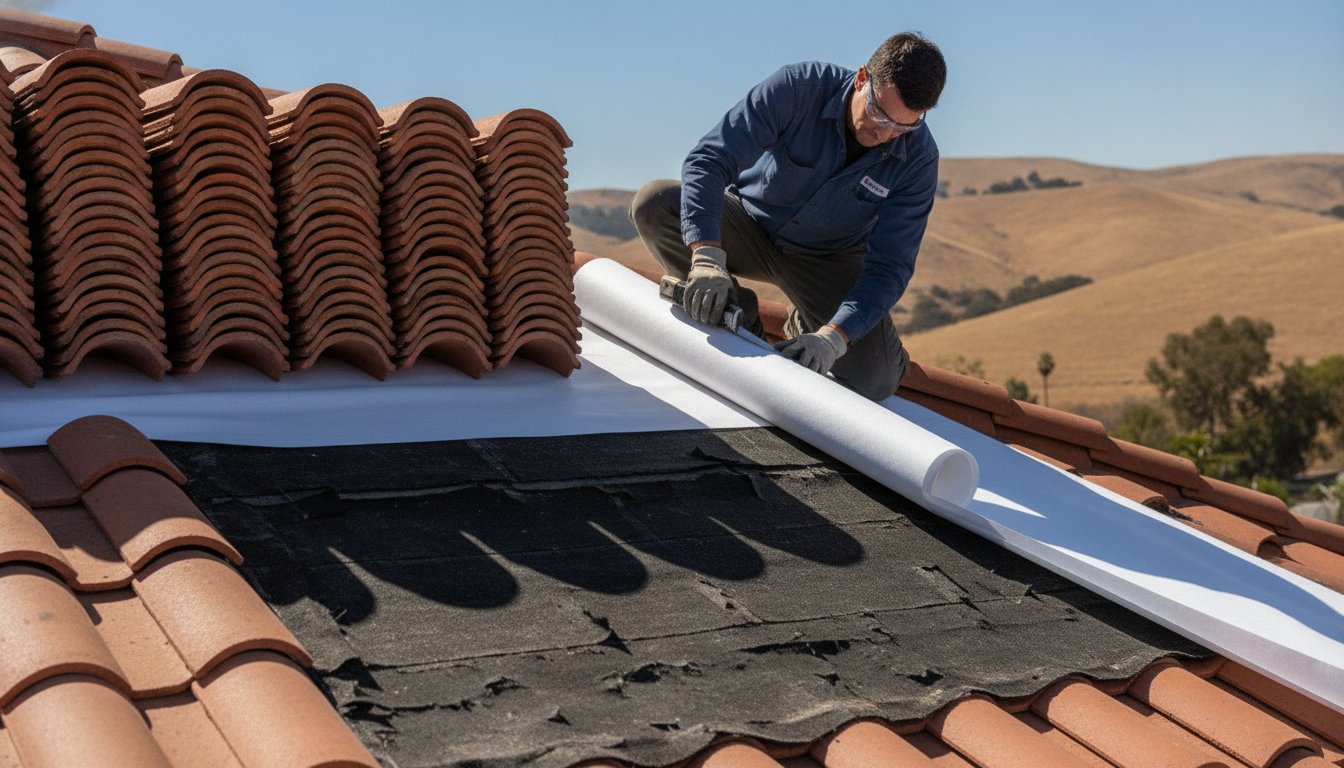
Your clay or concrete tiles might look perfectly intact from the street, but they aren't actually what keeps your home dry. In Southern California, your tiles act as the armor, while the felt underlayment beneath them is the actual skin of your roof. This skin often fails decades before the tiles do. Understanding the specific signs you need roof felt replacement is the only way to protect your property from unseen water damage and costly structural repairs.
It's natural to feel concerned about the technical jargon contractors use or the fear of hidden mold growth behind your walls. You want a reliable solution that doesn't involve the massive expense of a full roof replacement if it isn't necessary. This 2026 guide provides the clarity you need to make an informed decision. We will show you how to spot failing underlayment early and explain how a "Lift and Relay" process can extend your roof's life. From Lake Elsinore to the Inland Empire, we'll help you navigate the latest Title 24 energy standards and wildfire safety codes to keep your family secure.
Key Takeaways
- Understand why the underlayment is the true waterproofing layer of your home, acting as the critical barrier that protects the wooden deck from moisture.
- Learn to identify the six visual signs you need roof felt replacement, including interior water stains and brittle, crumbling felt at your roof's eaves.
- Discover the "Lift and Relay" process, a sustainable method to replace failing felt while preserving and reusing your high-quality clay or concrete tiles.
- Gain insights into how Southern California's extreme heat causes thermal expansion, leading to hidden underlayment tears that tiles alone cannot stop.
- Find out how proactive inspections from a local expert can save you thousands by catching slow leaks before they evolve into major structural damage.
What is Roof Felt Underlayment and Why is it Critical?
Many homeowners in Southern California view their roof as a solid shield of clay or concrete. While those materials are durable, they aren't actually what keeps your attic dry. The real work happens beneath the surface with the underlayment. To understand What is Roof Felt Underlayment, you have to look at it as a secondary, critical waterproofing barrier. It sits directly on your wooden roof deck. It serves as the last line of defense against moisture that inevitably finds its way past your primary roofing material.
Historically, this layer consisted of asphalt-saturated paper, often called 30-lb felt. Modern technology has shifted toward synthetic underlayment and high-performance peel-and-stick membranes. These materials are designed to withstand the intense UV radiation and extreme heat that characterize our region. If you ignore the signs you need roof felt replacement, you're essentially leaving your home's structural skeleton exposed to the elements. Once moisture reaches the plywood deck, it triggers a chain reaction of wood rot, mold, and expensive interior damage.
The Difference Between Tiles and Underlayment
There's a common misconception that tile roofs are "lifetime" systems. While the tiles themselves might last 50 years, the felt beneath them usually fails much sooner. Tiles are water-shedding, not waterproof. They block the majority of rain, but wind-driven moisture and condensation still reach the underlayment. In our experience across over 2,000 projects, we've seen countless "perfect" looking roofs with completely disintegrated felt underneath. Don't let the outward appearance of your tiles give you a false sense of security. Heat is the enemy. It bakes the felt until it crumbles.
Regional Factors in the Inland Empire and San Diego
Living in the Inland Empire or San Diego County presents unique challenges for your roof's longevity. In areas like Lake Elsinore and Riverside, daytime temperatures can swing dramatically. This causes constant thermal expansion and contraction. This movement stretches and tears older asphalt felt. Additionally, the Santa Ana winds can shift individual tiles. This exposure leaves the vulnerable underlayment open to direct sunlight. In Southern California's arid climate, this leads to dry-rot. The felt becomes brittle and loses its ability to seal around nail penetrations. This is a primary reason why local homeowners must stay vigilant for the early signs you need roof felt replacement.
6 Critical Signs You Need Roof Felt Replacement
Identifying the signs you need roof felt replacement early can save you from a complete structural overhaul. Many homeowners wait for a major leak during a rare Southern California storm. Unfortunately, the damage usually starts years before the first drop hits your floor. Because the underlayment is hidden, you must look for specific physical indicators that the material has reached its breaking point.
- Interior water stains: Look for brown or yellow rings on your ceilings or walls. These are common indicators of failing barriers in older neighborhoods throughout the Los Angeles basin.
- Brittle or crumbling felt at the eaves: Inspect the edges of your roof near the gutters. If the felt flakes away like old parchment when touched, it no longer provides a waterproof seal.
- Tile slippage or sliding: When tiles shift out of alignment, it often means the nails have pulled through rotted or weakened felt. This is a recurring issue in the wind-prone corridors of San Bernardino County.
- Debris in gutters: If you find black, paper-like flakes or heavy asphalt granules in your downspouts, your waterproofing layer is literally washing away.
- Roof age over 20 years: Most standard asphalt felt in our climate has a 15 to 25 year lifespan. If your roof hasn't had a "Lift and Relay" since the early 2000s, the underlayment is likely failing.
- Visible soft spots: A "spongy" feel when walking on the roof indicates the wooden deck beneath the felt has absorbed moisture and begun to rot.
Attic Inspections: Finding the Hidden Clues
Grab a flashlight and head into the attic during the day. Look for "rust tracks" on nails protruding through the wood. This suggests water is traveling down the metal. Check for damp smells or visible mold on the rafters. Even in the arid regions of Riverside or San Bernardino, trapped moisture creates a distinct, musty odor that signals a failing barrier. If you see light peering through the roof deck, your underlayment is gone.
External Visual Cues for Homeowners
You can spot many issues from the safety of the ground. Look at your roofline. Are the tile rows perfectly straight? Uneven lines or "curling" underlayment at the gable ends are major red flags. The building code requirements for underlayment exist to prevent these failures, but time and heat eventually bypass even the best installations. If you notice these cues, a professional roof tune up can identify exactly how much life is left in your system. Staying alert for the signs you need roof felt replacement is your best defense against the high cost of a full replacement in Orange County or the Inland Empire.
Why Tile Roofs Fail: The Southern California Underlayment Gap
Most homeowners in cities like Corona or Moreno Valley believe their tile roof is indestructible. They see heavy clay or concrete and assume it's a permanent shield. However, there's a fundamental gap between how tiles function and how the underlying felt behaves. Your tiles are designed to be water-shedding. They direct the bulk of rainfall into the gutters. The real work of keeping your home dry is handled by the underlayment. As roofing underlayment plays a central role in your roof's fire rating and waterproofing, its failure is the primary reason why tile roofs leak.
The intense Southern California sun is the biggest culprit. In the Inland Empire, attic temperatures can soar, effectively cooking the underlayment from both sides. This heat causes the essential asphalt oils in the felt to evaporate. Once these oils are gone, the felt becomes brittle and loses its elasticity. When the tiles shift due to thermal expansion, the dried-out felt beneath them simply tears. This is why a professional roof rejuvenation vs replacement assessment is critical for homes approaching the 20-year mark.
The Hidden Danger of 'Pinholes'
Failing felt doesn't always result in a waterfall in your living room. Often, it begins with microscopic "pinholes" or hairline cracks. These small openings allow tiny amounts of moisture to seep onto the wooden roof deck. In the climate of Riverside or Winchester, this moisture might evaporate before it drips, but it leaves behind dry rot. By the time a heavy winter rainstorm hits, the structural integrity of your roof deck may already be compromised. Proper attic ventilation helps mitigate this by lowering the surface temperature of the felt, but it can't stop the natural aging process that leads to the signs you need roof felt replacement.
Cost Consequences of Delaying Replacement
Waiting for a catastrophic failure is a high-risk financial strategy. Replacing the felt while the wooden deck is still healthy is a manageable investment. However, if you wait until the deck rots, your costs will skyrocket. You'll move from a "Lift and Relay" project to a full-scale structural repair. Additionally, California insurance carriers are increasingly scrutinizing roof age and maintenance records. Neglecting the clear signs you need roof felt replacement can lead to denied claims or policy cancellations. Reviewing a roof replacement cost guide will show you that preventative felt replacement is the most cost-effective way to protect your property value.

The Solution: Tile Lift and Relay Process
Many contractors will try to sell you a completely new roof the moment you notice the signs you need roof felt replacement. We take a different approach. A "Lift and Relay" is the most sustainable and cost-effective way to address failing underlayment without wasting perfectly good tiles. If your clay or concrete tiles are still structurally sound, there's no reason to send them to a landfill. Our process focuses on replacing the "skin" of the roof while preserving the "armor."
- Step 1: Careful Tile Removal. We don't just tear things off. Our crew carefully removes your existing tiles and stacks them securely on the roof or ground to prevent breakage.
- Step 2: Deck Stripping and Inspection. We strip away the brittle, degraded asphalt felt. This allows us to inspect the wooden roof deck for dry rot or termite damage that was previously hidden.
- Step 3: High-Grade Underlayment Installation. We install a new, high-performance waterproofing layer. Depending on your home's needs, we use double-layered 40-lb felt or advanced synthetic underlayment for superior durability.
- Step 4: Tile Re-installation. We relay your original tiles back into place. We use new, corrosion-resistant fasteners and replace all critical flashings to ensure a watertight seal.
When to Choose Lift and Relay Over New Installation
We believe in being "straight shooters" with our clients. If your roof is roughly 20 years old and the tiles aren't cracked or spalling, a Lift and Relay is usually the best path forward. It provides the same waterproofing protection as a new roof at a fraction of the cost. This service is often the logical next step after a comprehensive roof tune up reveals that your underlayment has reached the end of its functional life. It's about extending the life of your investment through smart maintenance.
What to Expect During the Project
A typical residential project in Orange County or the Inland Empire takes between 3 and 7 days. We prioritize property protection throughout the process. We use specialized equipment to catch debris and protect your landscaping. Safety is our primary concern. Because tile roofs are heavy and complex, it's vital to hire a contractor with specialized lift and relay roofing service expertise. Don't trust your home's structural integrity to a generalist. If you've seen the signs you need roof felt replacement, contact us today for a professional Felt replacement inspection to see if your home qualifies for this sustainable solution.
Protecting Your Home with UEC Roofing's Expert Inspections
Choosing a contractor is about finding a partner who understands your home's unique environment. UEC Roofing is a principled, local expert with a brick-and-mortar presence in Lake Elsinore. Having completed over 2,000 successful projects across Southern California, we've established ourselves as a dependable guide for homeowners. We operate with a "Roofer for Life" philosophy. This means we prioritize long-term stability and ethical standards over high-pressure sales tactics. If you've identified the signs you need roof felt replacement, our team provides the grounded, transparent analysis you need to protect your family and property value.
Why Local Expertise Matters for SoCal Roofs
Building codes and environmental risks vary significantly from the coastal communities of San Diego to the inland stretches of Riverside and San Bernardino Counties. We maintain deep knowledge of these regional requirements to ensure every project is fully compliant and durable. Our extensive service list is designed to meet every residential need. We specialize in comprehensive roof replacement, targeted repair, and rejuvenation. Our expertise spans specialized systems like tile and composite shingle, as well as metal, foam, and flat roofing. This versatility allows us to select the most fire-resistant and energy-efficient materials for homes in high-risk zones across Los Angeles and Orange County.
Schedule Your Comprehensive Roof Evaluation
Our 21-point inspection goes far beyond a simple surface check. We evaluate the structural integrity of the deck, the health of the waterproofing layer, and the efficiency of your attic ventilation. This thorough approach ensures we catch the subtle signs you need roof felt replacement before they lead to interior moisture damage or mold growth. We provide clear, no-pressure recommendations, helping you decide if a repair, rejuvenation, or a Lift and Relay is the right move for your specific situation. We take immense pride in doing the job right the first time. Whether you are in the Inland Empire or the South Bay, we are ready to provide the professional conduct and craftsmanship your home deserves. Protect your investment today with an evaluation from a team that values quality and reputation above all else.
Secure Your Home’s Foundation for the Future
Your roof is more than just the tiles you see from the curb. It's a complex system where the underlayment acts as the primary moisture barrier for your home. By identifying the specific signs you need roof felt replacement early, you can prevent minor moisture intrusion from becoming a structural disaster. A specialized "Lift and Relay" offers a sustainable path to restore your home's integrity without the unnecessary expense of a full replacement. This proactive approach saves you money while preserving the high-quality tiles already on your roof.
UEC Roofing brings the expertise of over 2,000 successful Southern California projects to every evaluation. As brick-and-mortar experts based in Lake Elsinore, we specialize in tile lift and relay and leak prevention tailored to our unique climate. We're committed to being your roofer for life through honest advice and superior craftsmanship. We focus on long-term stability so you can feel confident in your home's protection. Don't leave your property's safety to chance.
Ready to protect your investment? Schedule your professional roof felt inspection with UEC Roofing today! We'll provide the clear, expert guidance you need to keep your home safe and dry for years to come.
Frequently Asked Questions
How long does roof felt typically last in Southern California?
Standard 30-lb asphalt felt typically lasts between 15 and 25 years in the Southern California climate. The intense heat in the Inland Empire and Riverside County accelerates the evaporation of protective oils, making the material brittle over time. Modern synthetic alternatives can extend this lifespan to 30 or 50 years. Regular inspections are the best way to monitor the signs you need roof felt replacement before the material disintegrates completely.
Can I replace my roof felt without replacing my tiles?
Yes, you can replace the underlayment while keeping your original clay or concrete tiles through a process called a "Lift and Relay." This method involves carefully removing and stacking your current tiles, stripping the old felt, and installing new waterproofing. Since tiles often last 50 years or more, this approach is the most cost-effective way to refresh your roof's protection without the expense of purchasing new tile materials.
What happens if I ignore failing roof underlayment?
Ignoring failing underlayment leads to slow, hidden water damage that eventually rots your wooden roof deck and rafters. Once the felt loses its integrity, moisture seeps into the plywood every time it rains or dew accumulates. This creates a perfect environment for mold growth and can compromise your home's structural stability. Delaying action usually turns a manageable repair into a much more expensive full roof replacement.
Is synthetic underlayment better than traditional asphalt felt?
Synthetic underlayment is generally superior to traditional asphalt felt because it offers higher tear resistance and better heat stability. It doesn't dry out or crack as quickly when exposed to the high attic temperatures common in Lake Elsinore and San Bernardino. While it has a higher upfront cost, its longer lifespan and increased durability make it a smarter investment for homeowners looking for long-term reliability and fire resistance.
How much does a tile lift and relay cost compared to a new roof?
A tile "Lift and Relay" is significantly more affordable than a full roof replacement because you aren't paying for new tiles. You save on the cost of materials and the disposal fees associated with hauling away old roofing. It's a strategic way to address the signs you need roof felt replacement while leveraging the long-term value of your existing concrete or clay tile armor. This method often saves homeowners thousands of dollars compared to a complete tear-off.
Will my homeowners insurance cover roof felt replacement?
Homeowners insurance typically covers roof damage caused by sudden, accidental events like a severe storm or a fallen tree. It rarely covers felt replacement due to age, wear and tear, or lack of maintenance. It's important to review your specific policy carefully. Most carriers in California expect homeowners to perform regular preventative maintenance to keep their coverage in good standing and may deny claims if the roof is neglected.
Can I patch a small tear in the roof felt myself?
Patching a small tear yourself is not recommended because the underlayment is your home's primary waterproofing layer. A DIY patch often fails to create a permanent, watertight seal around existing nail holes or laps. If the felt is old enough to tear, it's likely brittle throughout. A professional inspection ensures the entire system is secure rather than just masking a symptom of widespread material degradation.
How do I know if my roof leak is coming from the felt or a broken tile?
A leak inside your home almost always points to a felt failure, even if you also have a broken tile. Tiles are designed to shed most water, but the underlayment is what actually stops moisture from entering the structure. If water reaches your ceiling, it has already bypassed the tiles and penetrated a hole or crack in the felt. Replacing a broken tile won't fix a leak if the underlying barrier is already compromised.