
2026 Guide: New Tile Roofs for Southern California
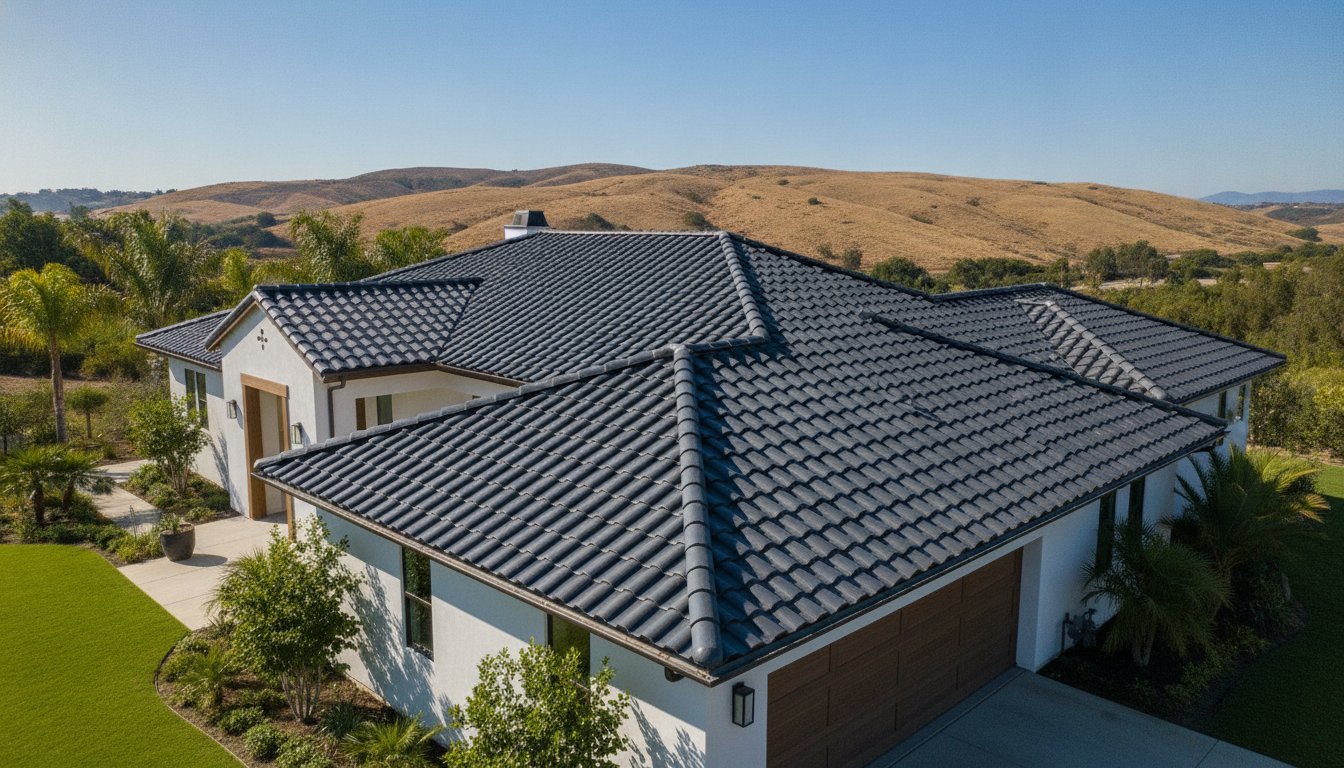
An energy-inefficient roof can increase your home cooling costs by as much as 25% during a Southern California summer. You likely want a home that stands strong against the heat and the threat of wildfires, yet the confusion over 2026 building codes and material costs can be paralyzing. It's a common struggle for homeowners from San Bernardino to Orange County who see their tiles looking fine while the underlying waterproof membrane fails and causes leaks.
A new tile roof installation is more than a cosmetic upgrade; it's a high-performance thermal and fire-shield system. We've completed over 2,000 projects throughout the Inland Empire and Riverside County, and we've seen how the right materials can protect a property for 50 years or more. This guide will walk you through the latest Class A fire-rating requirements, energy-efficient "cool roof" technology, and the financial reality of modern tile systems. From our home base in Lake Elsinore, we'll give you the expert clarity you need to make an investment that truly lasts a lifetime. You'll discover how to navigate local utility rebates and ensure your structural foundation is ready for the weight of a durable, fire-resistant roof.
Key Takeaways
- Learn why the 2026 California building codes require Class A fire-rated assemblies for re-roofing projects in high-hazard zones.
- Understand the differences between clay and concrete tiles, including the structural load requirements for homes built before 1980.
- Discover why a high-quality new tile roof installation depends on professional-grade synthetic underlayment to prevent leaks and ensure long-term stability.
- Get a clear overview of the permitting and installation process specifically for Inland Empire cities like Menifee, Corona, and Murrieta.
- Find out how "cool roof" materials and proper attic ventilation work together to lower your energy bills and protect your home's resale value.
Why a New Tile Roof Installation is the Gold Standard for Southern California
A modern tile roof isn't just a collection of shingles. It's a sophisticated, multi-layered protective shield designed for the specific demands of the Inland Empire. A new tile roof installation provides a natural thermal barrier that helps regulate indoor temperatures during our triple-digit summers. Roof tiles, whether made of clay or concrete, create an air pocket between the material and the roof deck. This gap reduces heat transfer into your attic, directly lowering the strain on your air conditioning system and reducing cooling costs by up to 25%.
Tile systems offer a level of resilience that other materials simply can't match. In Southern California, your roof must withstand intense UV radiation, Santa Ana winds, and the constant threat of embers. By choosing a tile system, you're investing in a structure built to endure these environmental pressures while maintaining its structural integrity and aesthetic appeal for decades.
Longevity and Value in the SoCal Real Estate Market
Homeowners in Riverside and Orange Counties often view a tile roof as a "once-in-a-lifetime" investment. While traditional asphalt shingles might last 20 years, a properly installed tile system can protect a property for over five decades. This durability significantly impacts property value. In the competitive Southern California market, buyers prioritize homes with high-performance roofing that won't require immediate replacement. We've seen this firsthand across more than 2,000 projects in the region; quality craftsmanship pays for itself through long-term stability and reduced maintenance.
Fire Safety and Regional Building Codes
Fire resistance is no longer a luxury in Southern California; it's a necessity. The 2026 California Wildland-Urban Interface Code (CWUIC) now mandates Class A fire-rated roof assemblies for re-roofing projects in many Fire Hazard Severity Zones. This is especially critical in San Diego and Riverside Counties, where wildfire risks are a constant concern. Tile is naturally non-combustible. When paired with the right assembly, it provides the highest level of protection available. Meeting these strict standards isn't just about safety. It's also about insurance. Many providers now require these high-performance systems to maintain coverage in high-risk areas.
- Non-combustible materials: Clay and concrete tiles do not ignite.
- Class A fire ratings: The highest industry standard for fire protection.
- Code compliance: Ensuring your new tile roof installation meets the latest 2026 state requirements.
Choosing Your Materials: Clay vs. Concrete Roof Tiles
Selecting the right material for your new tile roof installation requires a balance between architectural style and structural reality. Clay and concrete are the two dominant choices in Southern California, each offering distinct benefits for the region's climate. One critical factor to consider first is weight. Both materials weigh between 10 and 15 pounds per square foot. If your home was built before 1980, it's essential to perform a structural load calculation to ensure the framing can support the mass of a full tile system.
The choice between these materials often comes down to the specific aesthetic you want to achieve and your long-term budget. While both provide excellent fire resistance and durability, their performance under the intense SoCal sun differs slightly in terms of color longevity and thermal properties. We've guided thousands of homeowners through this decision, ensuring they choose a material that complements their home's design while meeting all local building codes.
Clay Tiles: Timeless Aesthetics and Durability
Clay tiles are a staple in historic Southern California architecture, particularly in cities like Temecula and Anaheim. These tiles are made from natural earth and fired in high-temperature kilns. This process creates a material that is exceptionally resistant to the intense UV radiation of the Inland Empire. Unlike other materials, clay tiles don't fade over time. The color is baked into the tile itself, ensuring your roof maintains its vibrant terracotta or mission-style appearance for decades. Beyond looks, clay has excellent thermal mass properties, helping to keep homes cooler during peak afternoon heat by slowly releasing absorbed energy.
Concrete Tiles: Versatility and Modern Strength
Concrete tiles have become increasingly popular because they offer a high level of performance at a more accessible price point. They are manufactured from a mixture of Portland cement, sand, and water, which makes them incredibly durable and impact-resistant. This is a significant advantage in areas prone to falling debris or occasional heavy storms. When planning a new tile roof installation, many homeowners choose concrete for its versatility. These tiles can be molded into various profiles, including flat designs that mimic expensive slate or high-barrel waves that provide a classic Mediterranean look.
Both materials require minimal maintenance compared to shingles, but they still need professional attention to ensure the underlying components remain functional. If you aren't sure which material suits your home's structure, you can consult with our team for professional tile replacement advice. We help homeowners navigate these choices every day, ensuring the final result provides both beauty and long-term security for their property.
The Invisible Components: Underlayment and Proper Ventilation
While the tiles on your roof provide curb appeal and fire resistance, they only represent about 50% of your home's total protection system. The real work happens beneath the surface. During a new tile roof installation, the choice of underlayment determines whether your home stays dry during a winter storm or suffers from hidden leaks. In Southern California, many older homes rely on traditional organic felt. Over time, the intense heat of the Inland Empire causes this material to become brittle and crack. When the underlayment fails, water seeps into the roof deck, even if your tiles look perfectly intact.
Most roofing failures in our region aren't caused by broken tiles. They're caused by the degradation of the waterproof barrier underneath. We've seen countless homes where the tiles are in great condition, but the underlying felt has turned to dust. Addressing these invisible components is what separates a standard job from a high-performance roofing system that lasts for decades.
Felt Replacement and Leak Prevention
Modern roofing standards have shifted away from traditional asphalt-saturated felt. We've seen hundreds of cases where 30-pound or 40-pound felt has disintegrated long before the tiles reached the end of their lifespan. This is why we prioritize high-grade synthetic underlayment for every project. These materials are reinforced to resist tearing and don't break down under extreme temperatures. If your tiles are in good shape but you're experiencing leaks, you might need a specialized Roof Felt Replacement: Cost and Process for Tile Roofs rather than a full system overhaul. This process preserves your existing investment while restoring the primary waterproof barrier.
Attic Ventilation and Thermal Control
Proper airflow is the second "invisible" factor in a successful new tile roof installation. Without it, your attic becomes a furnace. Temperatures in a poorly ventilated attic can exceed 150 degrees, which literally bakes your roof from the inside out. This extreme heat accelerates the degradation of the roof deck and can lead to dry rot in the structural timber. We use advanced solutions like O'Hagin vents and ridge vents to create a continuous flow of air. This system pulls cool air in through the eaves and pushes hot air out through the top. The results are tangible:
- Reduced strain on your HVAC system: Your air conditioner won't have to work as hard to combat attic heat.
- Lower monthly electricity bills: Homeowners in Riverside and Los Angeles Counties see direct savings from improved thermal control.
- Extended lifespan: Proper airflow protects your underlayment and decking from heat-related damage.
- Prevention of dry rot: Consistent circulation stops moisture buildup and wood decay in the roof's structure.
A well-ventilated roof is a critical component of a "cool roof" strategy. It ensures that the thermal barrier created by your tiles isn't undermined by trapped heat below. By addressing these hidden components, we provide a roofing system that protects your family and your property value for the long haul.

The Tile Roof Installation Process: What to Expect
A professional new tile roof installation begins long before the first tile arrives on your driveway. It starts with a rigorous structural inspection. Because tiles carry significant weight, we must verify that your home's rafters and load-bearing walls meet modern safety standards. This is a non-negotiable step for older properties across the Inland Empire. We don't guess; we calculate. This ensures your home can safely support the 10 to 15 pounds per square foot typical of a tile system.
Navigating the bureaucracy of building departments in cities like Menifee, Corona, and Murrieta can be a daunting task. We handle the entire permitting process for you. Our team understands the specific local requirements for fire zones and "cool roof" mandates. Once the permit is secured, the tear-off begins. We remove every layer of the old material to expose the wooden deck. This allows us to inspect for dry rot or termite damage that would otherwise remain hidden.
From Permitting to Final Inspection
We manage all communication with local inspectors to ensure every phase of the project meets code. The most critical phase is the "mid-roof" inspection. This occurs after the synthetic underlayment and flashing are installed but before the tiles are laid. It's our chance to prove that the primary waterproof barrier is flawless. To prepare, we recommend clearing your driveway and moving vehicles. The process is loud and involves heavy machinery, so securing fragile items inside the home is a smart precaution.
Craftsmanship in the Details
Precision is the hallmark of our work. We pay close attention to flashing around chimneys, valleys, and skylights. These are the most common points of failure in Southern California roofs. Alignment is equally vital. Each tile must be laid with exact spacing to ensure proper water shedding and aesthetic symmetry.
Sometimes, a full system replacement isn't the most ethical recommendation. If your tiles are still in excellent condition but your underlayment has failed, we may suggest our specialized Lift and Relay Roofing Service: The Ultimate Guide. This approach preserves your original investment while restoring the home's integrity. It's a cost-effective way to get decades more life out of your existing tiles. If you're ready to secure your home's future, contact our Roofing contractor team in Lake Elsinore for a professional assessment.
Why UEC Roofing is Your Trusted SoCal Installation Expert
Selecting a partner for your new tile roof installation is a decision that affects your home's safety for decades. At UEC Roofing, we approach every project with the steady confidence that comes from over 2,000 successful installations in the region. We're a brick-and-mortar company based in Lake Elsinore. We don't operate as a distant national franchise. This local roots approach means we're here to stand by our work long after the final tile is set. We don't guess. We calculate.
Our philosophy centers on doing the job right the first time. While some contractors might offer a lower bid by using inferior materials, we refuse to cut corners on the components you can't see. We prioritize high-grade synthetic underlayment and precision flashing because we know these are the true barriers against Southern California's seasonal storms. It's this commitment to ethical standards that has built our reputation across Riverside and San Bernardino Counties. We treat your investment with the respect it deserves.
The Value of Local Expertise
Southern California isn't a single climate zone. The dry, intense heat of the Inland Empire requires a different approach than the salt air and humidity of the coast. We understand these microclimates because we live and work in them every day. Having a local team means your warranty is backed by a contractor who is actually part of your community. When you're Choosing the Right Residential Roofing Contractor, you're looking for someone who understands San Diego and Orange County building codes as well as they know the local weather patterns.
Comprehensive Protection Beyond Installation
We view ourselves as your "roofer for life." Our relationship doesn't end when the new tile roof installation is complete. We provide a full suite of services to ensure your investment remains fire-resistant and energy-efficient for its entire lifespan. This includes proactive maintenance, specialized rejuvenation, and expert repair services. We take pride in our workmanship and our community reputation.
Whether you're in Los Angeles or Riverside, we help you manage the long-term health of your roofing system. If you're planning your budget, our Roof Replacement Cost in Southern California: 2026 Guide provides the clarity you need to move forward with confidence. We're here to protect your family and your property value through every season. You can depend on our team for honest advice and superior service.
Securing Your Southern California Home for the Next Fifty Years
A roof is the most critical investment you'll make for your property's long-term value and family safety. We've explored how the 2026 building codes and modern thermal barriers transform a standard house into a high-performance shield against heat and wildfires. It's clear that the durability of your home depends on more than just aesthetics. The tiles are only as reliable as the synthetic underlayment and ventilation systems supporting them from beneath. Cutting corners on these invisible components is a risk that homeowners in the Inland Empire simply don't need to take.
Choosing the right partner for your new tile roof installation ensures that every technical detail, from precise load calculations to advanced ridge vents, is executed with expert craftsmanship. With over 2,000 local projects completed across Riverside and San Diego Counties, UEC Roofing delivers the specialized climate solutions and full-service maintenance your home deserves. We take immense pride in our reputation as a stable, brick-and-mortar professional based right here in Lake Elsinore. You can trust our team to protect your investment for decades to come. Schedule your professional tile roof inspection with UEC Roofing today and gain the peace of mind that comes with a roof built to last a lifetime.
Frequently Asked Questions
How long does a new tile roof installation typically take?
A standard installation for an average single-family home usually takes between 5 and 10 working days. This timeline depends on the complexity of the roof and the weather conditions in areas like Riverside or San Bernardino. The process includes the tear-off of old materials, structural inspections, and the precision laying of new tiles. We manage every step to minimize disruption while ensuring all 2026 building codes are met.
Can my existing home structure support the weight of a clay tile roof?
Most modern homes are built to handle the load, but houses built before 1980 often require a professional structural assessment. Clay and concrete tiles weigh between 10 and 15 pounds per square foot. This is significantly heavier than asphalt shingles. We perform detailed load calculations during our initial inspection to ensure your rafters and walls are safe. If the structure is insufficient, we discuss reinforcement options or lighter material alternatives.
What is the best type of underlayment for a tile roof in Southern California?
High-grade synthetic underlayment is the superior choice for the intense heat of the Inland Empire. Traditional 30-pound or 40-pound organic felt often becomes brittle and fails within 20 years. Synthetic options are reinforced to resist UV damage and tearing, providing a more reliable waterproof barrier. This is a critical component of a new tile roof installation because it protects the roof deck even if a tile shifts or breaks during a storm.
How does a tile roof help with energy efficiency and cooling costs?
Tile roofs act as a natural thermal barrier that can reduce home cooling costs by 15% to 25%. The curved shape of barrel tiles allows for natural airflow between the roof deck and the material. This air pocket prevents heat from transferring directly into your attic. When combined with "cool roof" materials required by Title 24, Part 6, your HVAC system doesn't have to work as hard during peak Southern California summers.
Do I need to replace my tiles if I have a leak, or just the underlayment?
You often only need to replace the underlayment if your existing tiles are still in good structural condition. This process is known as a "lift and relay." Since clay and concrete tiles can last 50 years or more, they frequently outlive the waterproof felt underneath. We carefully remove the tiles, replace the failed underlayment with modern synthetic materials, and then reinstall the original tiles. This approach saves money while restoring your roof's integrity.
Are tile roofs better for fire protection than asphalt shingles?
Yes, tile roofs offer significantly higher fire resistance and are usually Class A fire-rated. Unlike asphalt shingles, which contain petroleum products, clay and concrete tiles are non-combustible. This is vital for homes in high-risk wildfire zones across San Diego and Riverside Counties. The 2026 CWUIC standards prioritize these materials because they prevent embers from igniting the roof deck, providing a critical layer of protection for your family and property value.
How often should a tile roof be inspected after installation?
We recommend a professional roof inspection every two to three years to ensure long-term performance. While tile is durable, Southern California's Santa Ana winds and intense sun can cause minor shifts or debris buildup in the valleys. Regular check-ups allow us to clear drainage paths and identify cracked tiles before they lead to underlayment damage. Proactive maintenance is the best way to ensure your new tile roof installation reaches its full 50-year lifespan.
What is the difference between a full replacement and a lift and relay?
A full replacement involves all new materials, while a lift and relay reuses your existing tiles with new underlayment. During a full replacement, we install brand-new clay or concrete tiles. In a lift and relay, we harvest the current tiles, clean them, and set them aside while we install a new waterproof barrier and flashing. The relay is an excellent option for homeowners in Lake Elsinore whose tiles are sound but whose roof is leaking.