
10 Critical Signs of a Roof Leak: A Southern California Homeowner’s Guide
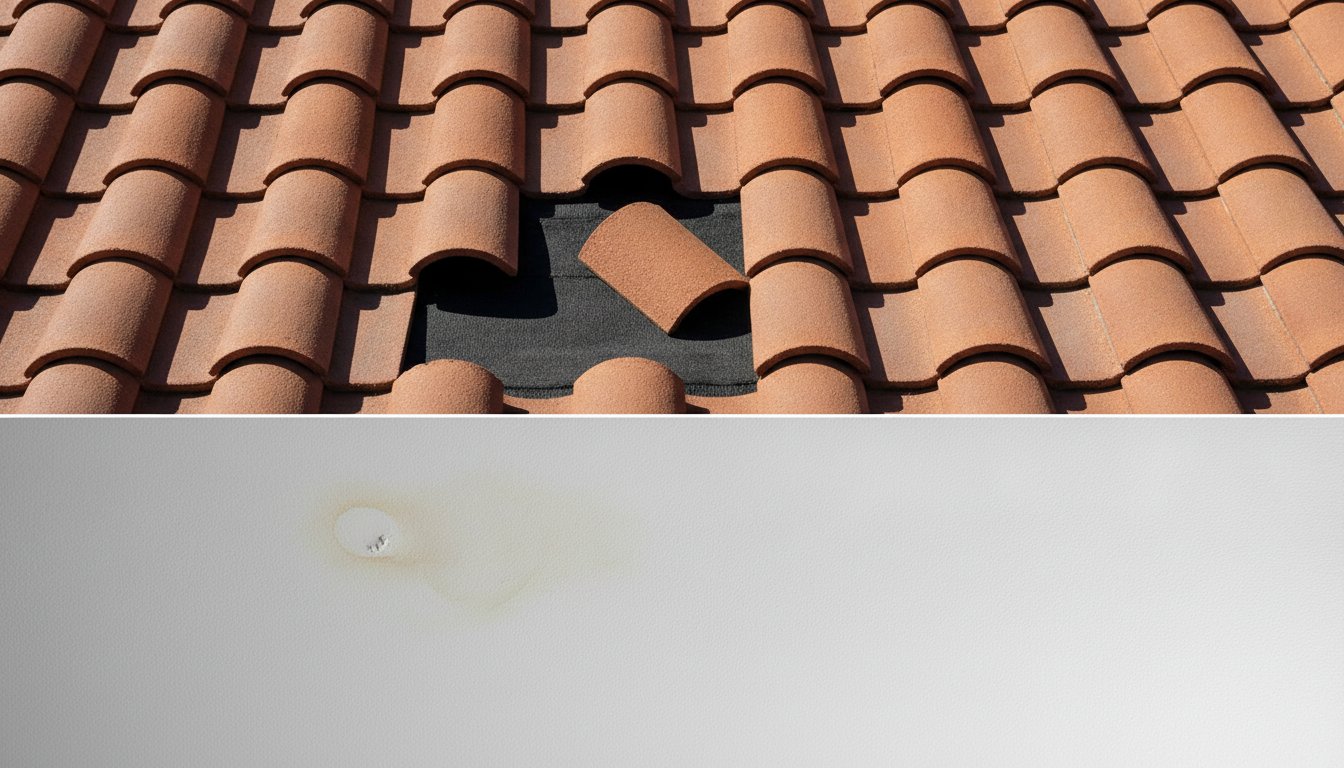
After a week of intense Santa Ana winds, you might find a displaced clay tile on your lawn or a faint, tea-colored stain on your living room ceiling. It is easy to dismiss these as minor cosmetic issues. In the climate of Lake Elsinore and the Inland Empire, these are often the first quiet warnings of a failing system. Learning the early signs of a roof leak is the most effective way to protect your property value and ensure your family stays safe.
Most homeowners in Riverside and San Diego Counties feel a sense of worry when they suspect moisture is entering their home. You want to avoid the high costs of structural repairs, but identifying the exact source of a problem on a complex tile roof can be difficult. We believe your roof is a critical investment that deserves expert care. This guide provides the clarity you need to evaluate your home's integrity with confidence.
You will learn how to identify ten critical indicators of moisture intrusion before they lead to structural rot or mold. We will cover everything from subtle interior symptoms to specific external failures caused by Southern California's intense UV exposure. This overview will help you understand the urgency of repairs and how to maintain a reliable roof for years to come.
Key Takeaways
- Understand how intense UV rays and Santa Ana winds create unique failure points in Southern California roofing systems.
- Learn to identify the most common signs of a roof leak, such as ceiling discoloration and bubbling paint, before they compromise your home's structure.
- Discover why "silent" indicators like granule loss in your gutters or slipped tiles are urgent red flags for homeowners in the Inland Empire.
- Recognize the hidden dangers of delaying repairs, including electrical hazards and wood rot that can drastically reduce property value.
- Master safe methods for performing a ground-level visual inspection to determine when it's time for a professional assessment.
Why Roof Leaks in Southern California Are Unique
Southern California presents a unique set of challenges for any residential structure. While homeowners in other states worry about heavy snow loads, residents in Lake Elsinore and Temecula face a constant battle against intense UV radiation and extreme temperature swings. These environmental factors change the way you should look for signs of a roof leak. Understanding what is a roof and how its components interact with our climate is the first step in preventative maintenance.
Our region often experiences the "Dry Spell" trap. Because we go months without significant rainfall, small breaches in your roofing system remain hidden. You don't see a drip, so you assume everything is fine. However, the damage is still happening behind the scenes. By the time the first major winter storm hits Riverside or San Bernardino County, those small issues have often evolved into major structural failures. Our team at UEC Roofing has seen these patterns across more than 2,000 projects in the region, confirming that local expertise is vital for accurate diagnosis.
The Role of Extreme Heat and UV Exposure
The sun is a relentless force in the Inland Empire. Daily heat cycles cause roofing materials to expand and contract constantly. This is particularly hard on the felt underlayment tucked beneath clay or concrete tiles. Over time, the heat "cooks" this underlayment, making it brittle and prone to cracking. Thermal shock is the physical stress caused by rapid temperature fluctuations that leads to the cracking and splitting of roofing membranes. Once the underlayment loses its flexibility, it can no longer act as a secondary barrier against water. This is why many homes in Orange and San Diego Counties suffer from leaks despite having tiles that look perfectly intact from the street.
Santa Ana Winds and Wind-Driven Rain
Santa Ana winds are a major factor for homeowners in Murrieta and Wildomar. High-velocity gusts don't always blow shingles off completely. Instead, they often lift them just enough to break the sealant bond. This creates micro-gaps in flashing and ridge caps. When rain finally arrives, it's often wind-driven. This means water is pushed horizontally into attic vents or under lifted tiles where gravity alone wouldn't take it. These subtle signs of a roof leak are easy to miss from the ground. Identifying them early requires a specialized eye that understands local wind patterns and how they stress specific building materials.
Top 5 Visual Signs of an Active Roof Leak
Visual evidence of water intrusion is often the first reason a homeowner calls for help. However, these signs of a roof leak don't always appear exactly where you expect them to. Water is opportunistic. It follows the path of least resistance, often traveling several feet away from the actual breach before it manifests inside your living space. By the time a stain is visible on your drywall, the moisture has likely already saturated your insulation and begun affecting your structural wood.
Identifying these symptoms early is essential for protecting your property value. In the Inland Empire, where we experience long dry spells, interior signs might remain dormant for months. When the rain finally arrives, these hidden issues can quickly escalate into emergencies. Keeping a watchful eye on your ceilings and walls after a storm is a simple but effective preventative measure.
Identifying Interior Water Stains
Ceiling stains are common, but their appearance tells a specific story. Yellow, brown, or gray rings indicate a slow, recurring drip that dries and re-wets over time. If you notice irregular patterns or "ghosting," where the stain seems to fade and reappear, it suggests moisture is moving along a ceiling joist. This movement means the source of the leak could be far from the visible damage. For a deeper look at how these complex paths are diagnosed, you can read about expert roof leak repair in Riverside CA and see how professionals trace water back to the entry point.
Beyond simple stains, look for these specific indicators:
- Bubbling or Peeling Paint: Moisture trapped behind latex paint creates a ballooning effect on walls or crown molding.
- Chimney Sweating: Damp spots or white salt deposits on fireplace masonry often point to failed flashing or cracked chimney caps.
- Attic Rafter Tracking: If you can safely access your attic, look for dark streaks or dampness along the wooden rafters.
- Upper-Corner Mold: The sudden appearance of mildew in the corners of upper-floor rooms often signals a leak or a failure in attic ventilation.
Wall and Baseboard Anomalies
Water often bypasses the ceiling entirely and travels down the vertical wall studs. This can lead to bubbling paint near the floor or dampness on your baseboards. If you notice warped window frames or moisture behind heavy wallpaper, it is a serious red flag. These anomalies often indicate a leak near a wall-to-roof junction or failed valley flashing. If you suspect your home in Orange County or San Diego is at risk, scheduling a professional roof tune up can identify these hidden issues before they cause permanent structural rot.
Silent Signs: Detecting Roof Damage Before the Drip
Many signs of a roof leak remain hidden from plain view, especially during the long, arid months common in Lake Elsinore. You don't need to wait for a puddle on the floor to know your system is failing. Identifying these silent indicators requires a proactive approach and a basic understanding of how different materials age. By the time a leak becomes obvious, the underlying damage is often much more extensive than it appears.
Start your inspection by looking for these subtle red flags:
- Granule Loss: If you find what looks like coarse, dark sand in your gutters, your asphalt shingles are losing their protective layer. This "sand" is actually the mineral granules that shield the shingle from UV damage.
- Rusted or Separated Flashing: Metal flashing around chimneys, skylights, and roof valleys should be flush and sealed. Rust or visible gaps indicate that the primary defense against water intrusion has been compromised.
- Musty Odors: A persistent, earthy smell in your attic or top-floor closets often points to trapped moisture. This is a common indicator of slow, long-term seepage that hasn't yet breached the ceiling drywall.
Tile Roof Vulnerabilities: Slipped Tiles and Exposed Felt
In San Diego and Orange County, clay and concrete tile roofs are standard. These systems are aesthetically pleasing and durable, but they have a specific failure mode. Homeowners often ignore a single slipped or cracked tile, assuming the rest of the roof will hold. However, tile roofs are designed to be watershedding systems that direct the bulk of rainfall away, but they are not truly waterproof without a functional felt underlayment beneath them. When a tile slips, it exposes the sensitive felt to direct sunlight and wind. The intense Southern California sun quickly degrades this material, leading to rapid rot. If you notice gaps in your tile pattern, a professional lift and relay roofing service is often the most cost-effective way to replace the underlayment and save the existing tiles.
Attic Inspections: Finding 'Shiners' and Mold
A quick trip to the attic with a flashlight can reveal signs of a roof leak that are invisible from the living room. Look closely at the underside of the roof deck for "shiners." These are nails that missed the rafter during installation. In a leaking or poorly ventilated roof, these nails will appear frosty in the morning or show signs of orange rust. This happens because moisture in the attic condenses on the cold metal. You should also check your insulation. If it appears matted, compressed, or has dark spots, it has likely been soaked by a leak. Proper attic ventilation is critical here; without it, heat and moisture build up, accelerating the decay of your roof's structural components.

The Risks of Delaying Roof Leak Repairs
Ignoring the early signs of a roof leak is a gamble with your home's structural integrity and your family's safety. While a small drip might seem manageable during the dry season, the internal damage is cumulative. Water that enters the attic doesn't just stay on the surface. It saturates insulation, making it heavy and ineffective, and eventually reaches your electrical system. When water meets junction boxes or recessed lighting, the risk of a house fire becomes a reality. Additionally, the warm environment of a Southern California attic is the perfect breeding ground for black mold. This can proliferate within 48 hours of moisture exposure, leading to respiratory concerns and expensive remediation costs.
The financial impact of hesitation is significant. Addressing a minor breach early might cost a few hundred dollars. If you wait, that same leak can compromise the underlying decking and rafters. Replacing rotted wood adds substantial labor and material costs to the project. You are essentially choosing between a manageable maintenance task today or a full system replacement costing tens of thousands of dollars in the near future. Protect your investment by treating every drop as an urgent priority.
From Minor Leak to Major Structural Damage
The timeline for structural failure is shorter than many homeowners realize. In the humid coastal zones of San Diego and Orange County, moisture-rich air keeps wood damp longer, which accelerates rot. Persistent moisture also acts as a beacon for termites and other wood-destroying organisms common in the Inland Empire. Once these pests find damp wood, they can compromise the integrity of your trusses and rafters with alarming speed. Understanding the difference between roof rejuvenation vs replacement is key to making the right choice before the damage becomes irreversible. Catching these issues early preserves the bones of your home.
Impact on Property Value and Insurance
A well-maintained roof is a major selling point in competitive markets like Los Angeles and Riverside Counties. During a home appraisal, documented maintenance and prompt repairs contribute directly to your property value. Conversely, insurance companies are increasingly strict about "neglected" maintenance. If an adjuster determines that a major leak was caused by a pre-existing issue you failed to address, they may deny your claim entirely. Professional documentation of your repairs is essential for future home sales and insurance peace of mind. If you've spotted potential trouble, don't wait for the next storm. Contact our team for expert leak repair to secure your home's future.
Next Steps: DIY Inspection vs. Professional Assessment
Taking the first step toward a resolution doesn't require you to scale a ladder. In fact, we strongly advise against it. Climbing onto a tile roof is dangerous for an untrained individual and can cause brittle tiles to crack under your weight, creating new entry points for water. Instead, grab a pair of binoculars for a ground-level assessment. Look for the external signs of a roof leak from the safety of your driveway. Scan for displaced tiles, lifted shingles, or debris dams in your valleys. After a significant wind event in the Inland Empire, check your downspouts for excessive granule loss or large tile fragments. These clues often provide enough information to determine if a professional intervention is necessary.
A professional assessment provides a level of detail that ground-level inspections simply cannot match. While you might spot a missing shingle, an expert can identify the "silent" failures in underlayment or flashing that lead to long-term rot. We believe in providing homeowners with clear, actionable information so they can make informed decisions about their property. A proactive approach today ensures that your roof remains a reliable shield for your family and your investment.
Conducting a Safe Exterior Walk-Around
A methodical walk-around is a powerful tool for preventative maintenance. Focus your attention on the eaves, fascia, and soffits. Look for dark stains or peeling paint on these wooden components, as they often indicate that water is bypassing the gutter system. If your home has flat roof sections or a foam system, look for "alligatoring." This is a pattern of deep cracks that resemble reptile skin, signaling that the material has lost its elasticity and is no longer waterproof. Addressing these issues early through a professional roof tune up can significantly extend the lifespan of your system and prevent minor symptoms from becoming structural failures.
Why Choose UEC Roofing for Your Leak Detection
When you need a definitive answer about your home's integrity, partnering with a local expert is essential. UEC Roofing is a stable, brick-and-mortar contractor based in Lake Elsinore. We take immense pride in our track record of over 2,000 successful projects across Riverside, San Bernardino, and San Diego Counties. We are not a "storm chaser" company; we are your neighbors. Our "roofer for life" philosophy means we prioritize ethical service and long-term stability over quick sales. We treat your investment with the respect it deserves, providing honest assessments and craftsmanship that stands up to the unique demands of the Southern California climate.
Securing Your Home’s Future Against the Elements
Identifying the early signs of a roof leak is the most effective way to protect your property value and avoid the high costs of structural wood rot. Whether you have noticed discolored ceiling patches or suspect damage after a Santa Ana wind event, taking action now is a critical investment in your home's longevity. Our team specializes in long-term solutions, including specialized tile roof lift and relay services, tailored for the unique climate of the Inland Empire and Riverside County.
With over 2,000 successful regional projects, UEC Roofing is the local Lake Elsinore expert you can trust to do the job right the first time. Don't wait for the next major storm to test your home's integrity. Contact UEC Roofing today for a professional leak inspection and gain the peace of mind that comes with expert care. We are committed to being your roofer for life, ensuring your family stays safe and dry through every season.
Frequently Asked Questions
Is a small brown spot on the ceiling always a sign of a roof leak?
A brown spot on your ceiling is almost always an indicator of moisture, but it's not always a roof issue. It could stem from a leaking pipe or an HVAC condensation line in the attic. However, in Riverside and San Diego Counties, these spots frequently appear after a storm, confirming they are indeed signs of a roof leak. You should have an expert trace the moisture to its source to avoid unnecessary repairs.
Can Santa Ana winds cause a roof leak without rain?
Santa Ana winds can absolutely cause a roof leak even if there isn't a drop of rain in the forecast. These high-velocity gusts lift asphalt shingles and shift heavy clay tiles, breaking the waterproof seal or exposing the sensitive felt underlayment. While you won't see a drip immediately, the structural defense is compromised. When the next winter storm hits the Inland Empire, water will have a direct path into your attic.
How much does a typical roof leak repair cost in Southern California?
The cost of a repair depends on several local factors, such as the roofing material and the extent of the underlying damage. Tile roof repairs in San Bernardino or Orange County typically require more labor than shingle patches because tiles must be carefully removed and reinstalled. While we don't provide generic estimates, we recommend focusing on the long-term value of a professional fix rather than a quick patch that might fail.
Can I fix a roof leak myself using sealant or tape?
Using sealant or roofing tape is a temporary measure that often does more harm than good. These DIY products don't address the compromised underlayment, which is the true waterproof barrier for most Southern California homes. Trapping moisture under a patch can actually accelerate wood rot in your rafters. A professional roofing contractor ensures that every layer of the system is restored to meet current building codes and safety standards.
What should I do immediately after I find an active leak during a storm?
If you find an active leak during a storm, your first priority is to contain the water and protect your interior. Place a bucket under the drip and move furniture or electronics away from the area. Don't attempt to climb onto your roof while it's raining, as surfaces are extremely slippery and dangerous. Once the immediate flow is managed, contact a local expert in Lake Elsinore to schedule a professional inspection and repair.
How long can I wait to repair a roof leak before it becomes an emergency?
You shouldn't wait more than 24 to 48 hours to address moisture intrusion. Mold can begin to proliferate in the warm, dark environment of a Southern California attic within two days of exposure. What starts as a minor drip can quickly compromise your home's electrical wiring or lead to structural wood rot. Promptly identifying the signs of a roof leak and scheduling a repair prevents a manageable issue from becoming a costly emergency.
Does a leaking roof always mean I need a full roof replacement?
A leak does not automatically mean you need a full roof replacement. Many issues in Los Angeles and Riverside Counties can be resolved with a targeted repair or a specialized lift and relay service for tile roofs. Our team focuses on extending the life of your current system through ethical assessments. We only recommend a new roof when the structural integrity is compromised or the materials have reached the end of their functional lifespan.
Will my homeowners insurance cover a roof leak repair?
Homeowners insurance coverage for roof leaks typically depends on the cause of the damage. Most policies cover sudden and accidental events, such as a tree limb falling during a storm or wind damage from Santa Anas. However, insurance companies often deny claims if they determine the leak resulted from long-term neglect or a lack of maintenance. We recommend reviewing your specific policy and maintaining detailed records of your regular roof tune-ups and inspections.