
Tile Roof Installation in Southern California: The Complete 2026 Homeowner’s Guide
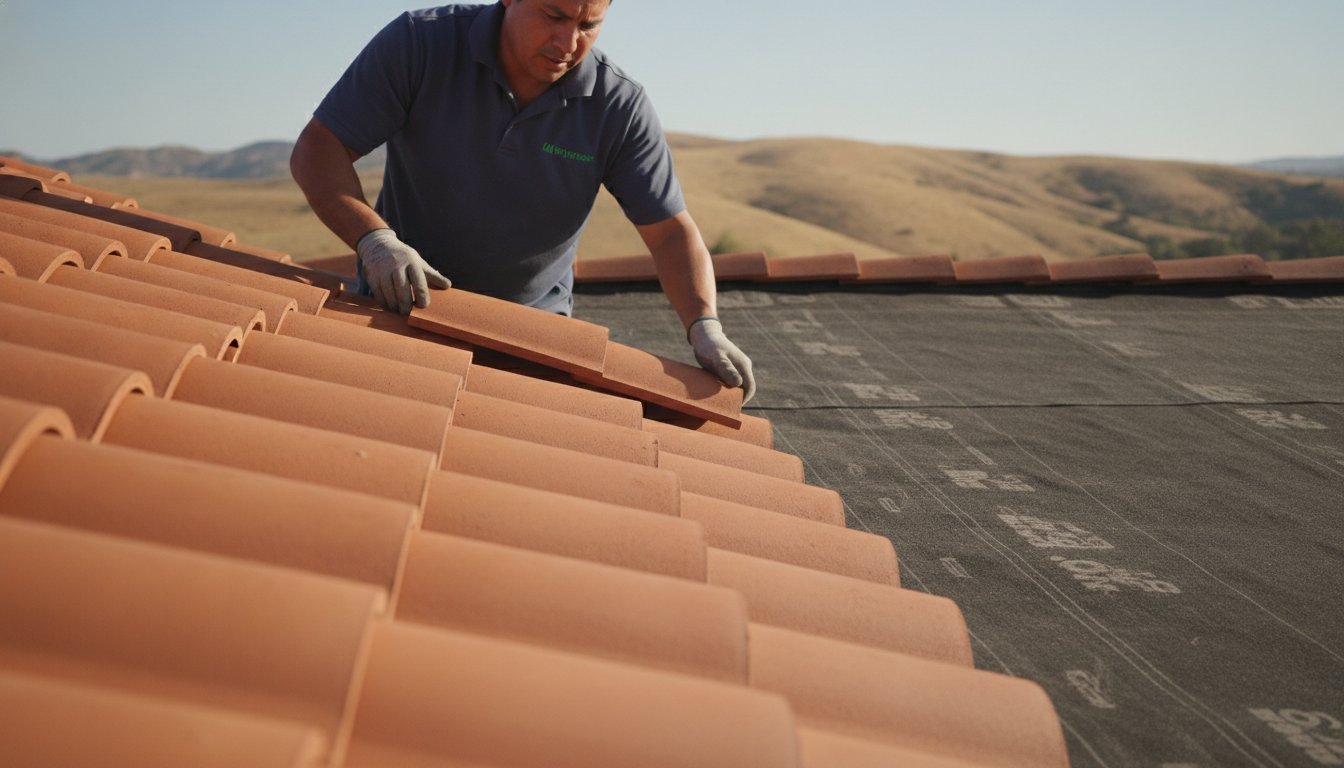
Your beautiful tile roof isn't actually what keeps your home dry; it's merely the first line of defense in a complex, multi-layered system designed to withstand the unique pressures of the Southern California climate. You likely chose tile for its timeless aesthetic and natural fire resistance, but the technical jargon surrounding clay versus concrete can make the process feel overwhelming. It's a significant investment for any homeowner in Riverside or Orange County, and you want to ensure the work is done right the first time to avoid the nightmare of premature leaks or strict code violations.
This guide provides everything you need to navigate a tile roof installation with total confidence. Drawing on our experience with over 2,000 successful projects across the Inland Empire and coastal counties, we'll explain how to meet the 2026 Title 24 energy standards and the latest wildfire safety requirements. You will discover the essential steps for a roof that lasts 50 years, the critical role of high-quality underlayment, and how to choose materials that lower your energy bills while protecting your property value for a lifetime.
Key Takeaways
- Compare the unique benefits of clay and concrete materials to find the right balance of durability and style for your Southern California home.
- Understand why the underlayment is the most critical component of a professional tile roof installation to ensure your property remains leak-free for 50 years or more.
- Learn how to navigate the 2026 California building codes, including mandatory Class A fire ratings and Title 24 energy efficiency requirements.
- Discover how a "Lift and Relay" service can significantly reduce costs by reusing your existing tiles while replacing the aging felt underneath.
- Identify the specific flashing and ventilation requirements needed to protect your home from the intense heat of the Inland Empire and coastal regions.
Why Tile Roof Installation is the Gold Standard for Southern California
A premium tile roof installation is more than just a style choice for homeowners in the Inland Empire; it's a strategic decision to protect your property from harsh environmental factors. A Roof tile system utilizes durable clay or concrete units that overlap to create a dense, protective shell. While asphalt shingles often struggle with the high-UV exposure found in San Diego and Los Angeles, tile remains stable for decades. It doesn't warp, rot, or become brittle under the relentless sun. This longevity makes it the gold standard for anyone planning to stay in their home for the long haul.
In competitive markets like Orange County, the aesthetic appeal of tile significantly boosts property value. It offers a classic, sophisticated look that buyers expect. When you review a roof replacement estimate, the upfront cost of tile might seem higher than other materials. However, the investment pays for itself through increased resale value and the fact that you won't need another replacement for 50 years or more. Choosing a professional tile roof installation ensures your home stands out while providing the best possible protection.
Durability Against the Elements
Southern California presents unique challenges. We face intense Santa Ana winds and rapid temperature shifts. Concrete and clay tiles are exceptionally heavy, which helps them stay in place during high-wind events. They are also non-combustible. This is vital for homes in "WUI" zones (Wildland-Urban Interface) where wildfire risks are a constant concern. While some claim tiles last a century, we know the system is only as good as the layers beneath it. High-quality underlayment is essential to prevent leaks as the tiles themselves age. Modern concrete tiles offer incredible impact resistance, while traditional clay provides a natural immunity to color fading.
Energy Efficiency and Thermal Mass
Homes in Riverside and San Bernardino Counties often deal with triple-digit temperatures. Tile roofing excels here due to its high thermal mass. This means the material absorbs heat during the day but releases it slowly, preventing it from penetrating your attic space. There is also a natural gap between the tiles and the roof deck. This space allows for constant airflow, which acts as a secondary insulation layer. By reducing the heat transfer into your living areas, you can lower your monthly cooling costs significantly. It's a practical way to stay comfortable while reducing your home's carbon footprint in Lake Elsinore and beyond.
Choosing Your Materials: Clay vs. Concrete Tiles
Selecting the right medium for your tile roof installation is a balance of aesthetics and structural capacity. Most Southern California homes are built to support the significant weight of these materials, but it's vital to verify your roof deck's strength first. Concrete tiles are generally heavier than their clay counterparts. Both provide excellent fire resistance. Organizations like the Tile Roofing Industry Alliance provide detailed standards to ensure these heavy systems are installed safely without compromising the home's skeleton.
Styles vary widely to match regional architecture. Spanish S-Tiles and Mission styles are ubiquitous in San Diego and Riverside. They offer that classic Mediterranean curve. For modern homes in Orange County, Flat Tiles provide a sleek, minimalist appearance. While both materials offer long lifespans, clay is the champion of color longevity. Natural clay is kiln-fired. This means the color is baked through the entire tile. Concrete uses pigment-infused surfaces that may gradually mellow over several decades of exposure to high-UV rays.
The Case for Concrete Tiles
Concrete is a versatile workhorse. It can be molded to mimic wood shake or slate. This provides high-end looks at a lower initial investment for Inland Empire homeowners. It is also remarkably durable for walkability. This makes routine maintenance or solar panel additions easier for the homeowner. If you're looking for a reliable, cost-effective upgrade, our team can help you evaluate professional Roofing Services that fit your specific budget and aesthetic goals.
The Timeless Appeal of Clay
Clay remains the premier choice for authentic Spanish Colonial architecture. It is naturally resistant to the bleaching effects of the intense Southern California sun. Beyond beauty, clay is an eco-friendly option. It's made from earth-sourced materials. It is fully recyclable at the end of its life. While the upfront cost is higher, the sheer elegance and permanent color make it a favorite for luxury properties in Los Angeles and Lake Elsinore. A professional tile roof installation using clay is often a "once-in-a-lifetime" investment that rarely needs replacing if the underlayment is maintained properly.
The Anatomy of a High-Performance Tile Roof Installation
Many homeowners assume the tiles themselves are the primary waterproof barrier. In reality, the tiles act as a decorative "shedding" layer. The true waterproof barrier is the underlayment hidden beneath. A professional tile roof installation requires a high-performance underlayment to handle the thermal expansion and extreme heat found in Riverside and San Bernardino Counties. Without this critical layer, your home is vulnerable to leaks long before the tiles themselves show any signs of wear. We treat the underlayment as the foundation of your roof's integrity.
Proper drainage also depends on the batten system. These are the horizontal strips that the tiles hook onto during the installation process. By using elevated battens, we create a clear drainage plane. This allows moisture to flow freely to the eaves rather than pooling on the underlayment. This airflow also helps cool the roof deck, which is essential for homes in the Inland Empire. It's a methodical approach that our team has perfected over 2,000 successful projects in Lake Elsinore and the surrounding coastal counties.
Precision Underlayment and Felt Replacement
Standard 30lb organic felt often becomes brittle and cracks after just 15 to 20 years in the intense California heat. This is why we prioritize high-quality roof felt replacement during every major project. We frequently recommend synthetic underlayments or double-layered felt systems for maximum protection. These modern materials offer superior tear strength. They won't degrade when trapped in the high-temperature environment between the roof deck and the tile, ensuring your home stays dry for decades.
Flashing and Perimeter Security
Water naturally gravitates toward valleys, chimneys, and wall transitions. These high-risk areas require custom-fabricated metal flashing to divert water safely into the gutters. A secure tile roof installation also includes specialized bird stops and eave closures. These components prevent pests from nesting under the tiles and block wind-driven rain from entering the attic space. Every fastening technique we use is designed to meet or exceed the 2026 California Building Codes; this ensures your investment stays anchored even during the strongest Santa Ana wind events.

Local Requirements: Fire Safety and Attic Ventilation
A professional tile roof installation in Southern California must adhere to some of the nation's strictest building codes. As of January 1, 2026, the updated California Wildland-Urban Interface Code (CWUIC) requires specific fire-resistant materials in many designated hazard zones. Clay and concrete tiles naturally provide a Class A fire rating; this is the highest level of protection available. These materials don't ignite, which is a critical advantage for homes in the Inland Empire and San Bernardino County where wildfire risks are a seasonal reality.
Compliance with Title 24 energy standards is another non-negotiable factor for modern roofing projects. These regulations focus on the Solar Reflective Index (SRI) to ensure your roof doesn't absorb excessive heat. While the tiles themselves provide thermal mass, they work in tandem with your attic ventilation system. Without proper airflow, the space between your roof deck and the tiles can reach temperatures exceeding 150 degrees. This intense heat effectively "bakes" the underlayment, leading to the premature failure points we discussed in the previous section. If you're concerned about your current roof's compliance, contact our team for a professional Roofing contractor consultation to ensure your home meets all 2026 standards.
Wildfire Resistance in the Inland Empire
In fire-prone areas like Lake Elsinore and Riverside, your tile roof installation acts as a shield. Beyond the non-combustible tiles, we install "ember-proof" venting systems. These specialized vents allow for airflow while blocking wind-blown embers from entering your attic during a fire. We regularly coordinate with local building departments in San Diego and Orange County to ensure every component of the system, from the eave closures to the ridge vents, satisfies the latest safety mandates.
Optimizing Attic Airflow
Effective ventilation is the secret to a long-lasting roof. We evaluate whether solar attic fans or passive ridge vents are the best fit for your specific property. Solar fans are highly effective at actively pulling hot air out of large attic spaces, while ridge vents offer a sleek, low-profile look for traditional tile designs. By reducing the "oven effect" in your home, you protect your underlayment from heat degradation and lower your cooling costs. This balanced approach ensures your roof remains a stable investment for your family's comfort and safety.
Planning Your Project: Estimates and Alternatives
Reviewing a roof replacement estimate for a tile system requires a keen eye for detail. A professional bid is not just a single bottom line. It should clearly outline the costs for debris removal, the specific grade of underlayment, and the custom metal flashing required for your chimney and valleys. In the Inland Empire and San Bernardino County, labor costs reflect the technical expertise needed to handle heavy materials safely. You want a transparent breakdown that accounts for the 2026 Title 24 energy requirements we've discussed. This ensures there are no hidden surprises during your tile roof installation.
A full replacement isn't the only way to secure your home's future. If your clay or concrete tiles are still structurally sound but you're experiencing leaks, you might be a candidate for a "Lift and Relay" service. This specialized alternative involves carefully removing your existing tiles and setting them aside. Our team then strips the failing, brittle felt and performs a thorough roof rejuvenation vs replacement assessment. We install a new, high-performance waterproof barrier before reinstalling your original tiles. This approach provides significant cost savings because you aren't purchasing new tiles, making it a smart choice for many Riverside and Los Angeles homeowners.
The Lift and Relay Advantage
Determining if your tiles are salvageable is the first step. Natural clay tiles often last a century, even if the paper underneath fails after twenty years. Concrete tiles are also highly durable, though they may require a professional cleaning to restore their original luster. The Lift and Relay process allows you to keep the architectural character of your home while completely modernizing the waterproof integrity of the structure. It's a sustainable practice that keeps thousands of pounds of material out of local landfills while providing you with a leak-free guarantee for decades.
Choosing a Local Expert
Selecting a call residential roofing contractor in Southern California requires verifying their local track record. UEC Roofing maintains a brick-and-mortar presence in Lake Elsinore and has completed over 2,000 successful projects across Orange and San Diego Counties. Contractors from outside the region often struggle with the nuances of Southern California's fire codes and high-UV weather cycles. We pride ourselves on being a "roofer for life," which means we focus on quality workmanship and long-term maintenance. Once your tile roof installation is complete, a simple preventative maintenance plan will ensure your investment continues to protect your family and property value for another 50 years.
Securing Your Southern California Home for a Lifetime
Investing in a tile roof installation is one of the most impactful decisions you can make for your property's long-term value. By prioritizing high-quality underlayment and adhering to the 2026 fire and energy codes, you ensure your home remains a safe haven against the intense heat of the Inland Empire and the strong Santa Ana winds. Whether you opt for the classic beauty of clay or the modern versatility of concrete, the key to success lies in professional craftsmanship and regional expertise. We've seen how the right system protects families across Lake Elsinore and the surrounding coastal counties for decades.
UEC Roofing brings the reliability of over 2,000 successful projects to your doorstep. We specialize in the unique climate challenges of our region and offer expert solutions ranging from full replacements to cost-saving Lift and Relay services. It's time to gain the peace of mind that comes with a roof built for stability and performance. Get a Professional Tile Roof Inspection and Estimate from UEC Roofing to start your journey with a trusted local partner. We look forward to being your roofer for life.
Frequently Asked Questions
How much does a tile roof installation cost in Southern California?
The total investment for a tile roof installation varies based on the size of your home and the specific material you select. Factors like the complexity of the roofline and the need for structural reinforcement also play a major role in the Inland Empire and San Bernardino County. For a precise figure, homeowners should obtain a comprehensive estimate that details the specific underlayment and flashing materials required for their property. We recommend comparing the long-term value of clay versus concrete to see which fits your budget.
How long does a tile roof actually last in Riverside or San Diego?
A well-installed tile system can protect your home for 50 years or more. While the tiles themselves are incredibly durable, the underlayment beneath them typically reaches the end of its lifespan after 20 to 30 years. Regular maintenance and choosing premium materials for the hidden layers of your roof can extend this longevity significantly in our high-UV environment. Proper attic ventilation also plays a critical role in preserving the system and preventing heat damage.
Is my house strong enough to support the weight of a concrete tile roof?
Most Southern California homes built in the last few decades are engineered to handle the weight of concrete or clay tiles. If your home was originally designed for lightweight asphalt shingles, it may require a structural inspection. A licensed professional can determine if your rafters and load-bearing walls need reinforcement before the project begins. This step is essential to ensure the safety and longevity of your new roofing system and to meet local building codes.
Can I switch from asphalt shingles to a tile roof?
You can switch to a tile system, but it involves more than just swapping materials. Because tile is much heavier than asphalt, a structural engineer must often verify that your roof deck and framing can support the new load. This upgrade is a popular choice in the Inland Empire for its superior fire resistance and energy efficiency. It's a great way to increase your property's curb appeal and resale value while providing better protection against the elements.
What is the best underlayment for a tile roof in a hot climate?
High-performance synthetic underlayments or double-layered high-grade felt systems are the best choices for hot climates like Riverside and San Bernardino. These materials resist the heat-trapping effect that occurs under tiles. They provide a more durable waterproof barrier than standard felt, which often becomes brittle and cracks prematurely in the intense Southern California sun. Investing in quality underlayment is the most important factor in preventing long-term leaks and avoiding costly repairs down the road.
How often do I need a roof tune-up for my tile system?
We recommend a professional roof tune-up every 3 to 5 years for tile systems. These inspections allow us to identify cracked tiles, clear debris from valleys, and check the integrity of your flashing. Catching small issues early prevents water from reaching the underlayment and causing hidden damage to your roof deck. Regular check-ups are the most cost-effective way to ensure your roof lasts for its full intended lifespan and remains leak-free.
Does a tile roof require special maintenance?
Tile roofs are low-maintenance but not maintenance-free. Homeowners in Lake Elsinore should keep the valleys and gutters clear of leaves and debris to ensure proper drainage. It's also important to ensure that bird stops and eave closures remain intact. These components prevent pests from nesting under the tiles and keep wind-driven rain from entering your attic space. Periodically checking for slipped or broken tiles is also a necessary part of protecting your home's foundation.
Are tile roofs really fireproof?
Clay and concrete tiles are non-combustible and carry a Class A fire rating, which is the highest industry standard. This makes a tile roof installation an excellent choice for homes in Wildland-Urban Interface zones. While the tiles won't burn, it's essential to have ember-resistant venting to prevent fire from entering the attic during a wildfire. A complete fire-resistant system includes the tiles, the underlayment, and proper perimeter security to protect your family and property.