
Roof Felt Replacement Cost: 2026 Southern California Homeowner's Guide
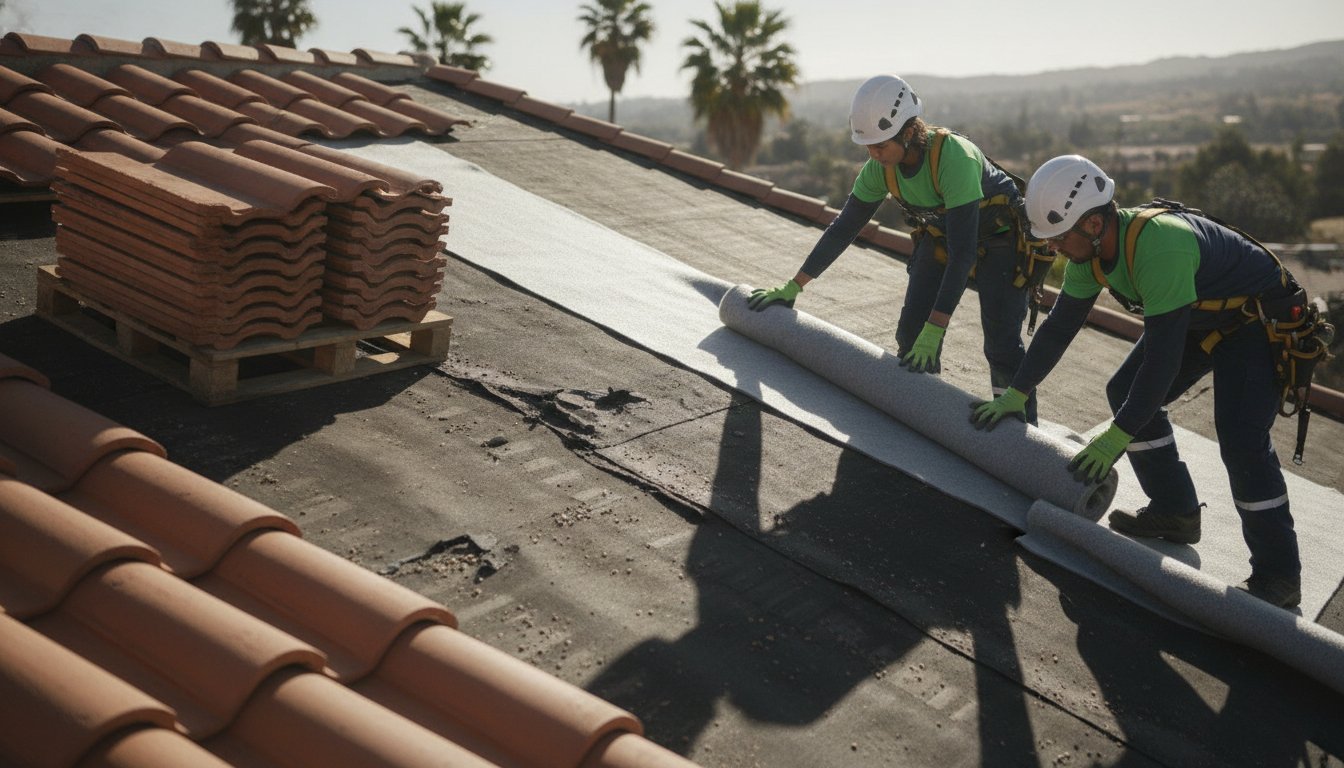
Your high-end concrete tiles are likely in perfect condition, but the paper-thin layer of felt beneath them is failing. Most Southern California homeowners feel a sense of dread when they spot a ceiling stain. You probably assume it means your entire roof is a total loss. It's a common fear, especially when researching the roof felt replacement cost in 2026. You want to protect your home's integrity without overspending on unnecessary replacements. We understand that your roof is a critical investment for your family's safety.
This guide breaks down the factors driving underlayment expenses today. We explain how a professional "Lift and Relay" can restore your home's protection. This method saves you money by reusing your durable existing tiles. Whether you are in Lake Elsinore, Riverside, or Orange County, understanding your underlayment options is critical. We will explore the differences between traditional asphalt and modern synthetic materials. You will also learn how to evaluate your roof's size and pitch to create a realistic budget framework. Let's look at how a targeted approach can save your roof and your peace of mind.
Key Takeaways
- Learn how the Southern California "heat-soak" effect damages underlayment and why your tiles often outlast the waterproof felt beneath them.
- Identify the primary factors that influence your roof felt replacement cost, including roof complexity, material choice, and current 2026 labor rates.
- Explore the "Lift and Relay" process as a strategic alternative to a full roof replacement that protects your budget and your home's value.
- Gain a clear understanding of regional cost variations across the Inland Empire, Orange County, and San Diego to ensure you receive a fair estimate.
- See why choosing a principled local expert with over 2,000 successful projects in the region provides the security your family deserves.
Understanding Roof Felt and Why It Fails in Southern California
Many homeowners in Lake Elsinore and the Inland Empire assume their heavy concrete or clay tiles are the primary defense against rain. In reality, those tiles are just the decorative first layer. Roofing felt, also known as tar paper, is the secondary water barrier that actually keeps your home dry. It sits directly on the wood decking. When this layer fails, your home is vulnerable to significant water damage, regardless of how good the tiles look. Understanding how this material functions is the first step in accurately estimating your roof felt replacement cost.
In Southern California, we deal with a unique phenomenon called the "heat-soak" effect. Your roof tiles absorb massive amounts of UV radiation and heat during the day. This heat transfers directly to the asphalt-based felt underneath. Over time, this process bakes out the essential oils that keep the felt flexible. Traditional organic felt, which is made of paper fibers saturated with asphalt, is particularly susceptible to this degradation. Modern synthetic underlayments, made from woven polymers, offer much higher resistance to heat but come with different installation requirements.
You can often tell your underlayment is failing before a major leak occurs. Keep an eye out for these specific warning signs:
- Brittle edges: Felt that snaps like a cracker when touched near the roof perimeter.
- Powdery residue: A fine black or gray dust accumulating in gutters, indicating the asphalt is breaking down.
- Internal leaks: Water stains on ceilings that appear only after long, soaking rains.
The Role of Underlayment in Tile Roofing Systems
Think of your roof tiles as armor and the felt as the skin. While tiles shed most of the water, they aren't waterproof. Wind-driven rain frequently finds its way through gaps or under the "head" of the tile during intense Southern California winter storms. If the felt is cracked, that water goes straight into your plywood. Poor attic ventilation makes this worse by trapping heat in the crawlspace, essentially cooking the underlayment from both sides simultaneously.
Why 2026 is a Turning Point for Roof Maintenance
Current weather patterns in Riverside and San Bernardino Counties have become more extreme, with record-breaking heatwaves followed by atmospheric river events. These fluctuations accelerate material fatigue. Local building codes are also shifting to favor high-performance synthetic materials that meet stricter fire and energy standards. Thermal shock refers to the stress placed on roofing felt as it rapidly expands and contracts during Southern California's intense daily temperature swings, eventually leading to cracks and tears. Proactive maintenance in 2026 is no longer just a recommendation; it's a necessity for protecting your home's long-term value.
Key Factors Influencing Roof Felt Replacement Cost in 2026
Estimating the roof felt replacement cost requires looking beyond just the price per roll of material. Professionals measure roofs in "squares," which represent 100 square feet of surface area. A larger footprint naturally requires more material and time. However, the complexity of your roof's design often plays a bigger role than raw size. Homes in Anaheim or San Diego with multiple gables, valleys, and dormers require more precision cutting and flashing work. This increases the total man-hours needed for a proper installation compared to a simple ranch-style roof.
Pitch is another critical variable. Flat or low-slope roofs are easier to navigate and stage. Steep slopes require specialized safety equipment and slower movement for the crew. These logistical hurdles are well-documented in this This Old House cost guide, which notes how labor intensity shifts based on architectural style. If your home has a steep Mediterranean-style tile roof, expect the labor portion of your estimate to reflect that added difficulty. Tight property lines in coastal San Diego can also limit equipment access, potentially adding to the overall logistics fee.
Material Grade: Asphalt vs. Synthetic
Traditional #30 asphalt felt has served Southern California for decades. It's budget-friendly but lacks the durability needed for our 2026 climate. We recommend synthetic underlayment for its superior tear resistance and UV stability. Premium "peel and stick" high-temp underlayments offer the best cost-to-value ratio. They create a self-sealing barrier around every nail penetration. This is vital for tile roofs that trap heat and moisture. While the upfront cost is higher, the extended lifespan makes it a smarter long-term investment.
Labor and Local Permitting in Southern California
Labor rates fluctuate significantly across the region. A project in Riverside or the Inland Empire may have different overhead than one in coastal Orange County. Additionally, permit fees vary by city. Most municipalities require at least two inspections: one for the underlayment and one for the final tile reset. While 2026 has seen better supply chain stability than previous years, material costs remain sensitive to global oil prices. For a precise look at your specific property needs, a professional roofing contractor can provide a detailed local estimate tailored to your city's requirements.
The 'Lift and Relay' Method: A Cost-Effective Solution
Many national roofing websites claim that if your underlayment fails, you need a brand-new roof. This isn't always true for Southern California homes. Our regional architecture relies heavily on concrete and clay tiles. These materials often last 50 to 75 years. However, the organic felt beneath them usually fails within 20 years. A "Lift and Relay" allows us to bridge this gap without the expense of a full replacement.
This process involves carefully removing your existing tiles and stacking them on the roof. We then strip the old, brittle barrier down to the wood deck. We install new, high-performance underlayment that adheres to current California Building Code requirements. Finally, we relay your original tiles. This specialized service is the "straight shooter" choice for homeowners. It focuses on fixing the actual problem rather than selling you materials you don't need.
Choosing this method can cut your roof felt replacement cost significantly. You avoid the high price of new tiles and the heavy disposal fees associated with hauling away tons of old material. It is a methodical, labor-intensive process that requires an expert touch to ensure no tiles are damaged during the transition.
When is a Lift and Relay Possible?
We start by assessing the condition of your tiles. Concrete tiles are excellent candidates for this service because they remain sturdy for decades. Clay tiles require a more delicate evaluation to check for "spalling" or excessive cracking. We also look for structural wood rot beneath the failed felt. If your roof has suffered from long-term leaks in the Inland Empire heat, we may need to replace sections of the plywood deck. Learn more about our specialized lift and relay roofing service to see if your property is a good fit.
Long-Term ROI of Proper Underlayment Replacement
A quality felt replacement can extend the life of your entire roofing system by 20 years or more. It serves as a preventative shield. This helps you avoid the "double cost" of fixing internal water damage, such as ruined drywall or mold remediation. A lift and relay preserves the aesthetic value of original SoCal tiles while providing modern waterproof protection.
Estimating Your Investment: Regional Cost Breakdowns
Regional variations are a reality for any Southern California homeowner planning a major repair. Projects in the Inland Empire, including Lake Elsinore and Riverside, often benefit from more streamlined site access and local permitting. In contrast, coastal projects in San Diego or Orange County frequently face higher logistical hurdles. Narrow property lines and stricter municipal requirements can increase the time required for staging and inspections. These regional factors play a significant role in determining your final roof felt replacement cost.
Beyond the square footage, hidden variables often emerge once the tiles are lifted. We frequently find that wooden batten strips have warped or developed rot due to long-term moisture exposure. Replacing these components is essential for a stable tile reset. Flashing around chimneys, skylights, and valleys also requires a close look. If these metal transitions are corroded, they must be replaced to ensure the new underlayment remains watertight. Addressing these details during the "Lift and Relay" prevents future leaks and protects your investment.
A regular Roof Tune-up is a powerful tool for delaying a full underlayment overhaul. By clearing debris from valleys and replacing slipped tiles, we can prevent the "heat-soak" effect from accelerating felt degradation. This proactive maintenance can often buy you several years of additional life. However, once the felt becomes brittle across the entire deck, a full replacement is the only way to ensure long-term security.
Standard vs. Premium Replacement Estimates
A budget estimate often relies on thin, organic felt and minimal flashing repair. These "cheap" solutions usually fail within a decade because they can't handle the 2026 SoCal climate. We prioritize a premium approach using high-temp synthetic underlayment and reinforced batten systems. This ensures your roof remains stable for twenty years or more. Compare these costs to a full roof replacement cost to see your potential savings when you choose a targeted underlayment restoration.
Getting an Accurate Quote in Southern California
Over-the-phone estimates are often misleading and lead to "hidden cost" surprises later. A physical inspection is the only way to assess tile slippage, debris buildup, and the condition of the wood deck. We provide transparent, expert-driven estimates that account for your specific roof pitch and architectural complexity. For a clear understanding of your property's needs, contact our Lake Elsinore team for a professional roofing contractor inspection today.
Why Professional Installation is Your 'Roofer for Life' Security
Focusing solely on the initial roof felt replacement cost can lead to long-term regret if you choose the wrong team. Southern California often sees "tailgate contractors" who provide low-ball estimates by skipping city permits and required inspections. Unpermitted felt work is a liability. It can void your insurance coverage and complicate future property sales in Los Angeles or San Bernardino Counties. We prioritize ethical standards and long-term stability. Every project we touch includes the necessary municipal checks to verify that your home meets 2026 building codes.
Professional installation also ensures your attic ventilation is optimized during the process. If your attic traps heat, even the highest-grade synthetic underlayment will eventually fail. We evaluate your ridge vents and eave vents during every project to ensure proper airflow. This holistic approach protects your home from the inside out. Securing a final inspection from your local building department is our standard procedure. It provides you with a documented history of quality that protects your property value for decades.
The UEC Roofing Difference in Lake Elsinore
Our brick-and-mortar presence in Lake Elsinore reflects our commitment to the Inland Empire. We aren't a revolving door of sales reps; we are principled experts who have completed over 2,000 successful local projects. Our "straight shooter" approach means we never use aggressive sales tactics to push for a full roof replacement when a targeted repair will suffice. We specialize in fire-resistant and energy-efficient solutions tailored for the Riverside and San Diego environments. This local expertise allows us to recommend materials that actually withstand our specific UV and heat patterns.
Next Steps for Your SoCal Home
Don't wait for the first atmospheric river of the season to test your roof's integrity. Preparing your property for a professional lift and relay begins with a thorough physical assessment. We recommend scheduling a preventative roof tune-up to identify slipped tiles or debris buildup that could be masking felt failure. This proactive step helps you budget effectively and avoid emergency repair premiums. Your roof is the most critical investment for protecting your family. Contact UEC Roofing today for a professional felt inspection and estimate to secure your home's future.
Protecting Your Home’s Value for the Long Term
Your roof is the most important shield for your family and your property value. Understanding the roof felt replacement cost is the first step toward making a smart, informed decision for your home's future. By opting for a specialized Lift and Relay, you can save significant money by preserving your existing tiles while installing a superior waterproof barrier. Modern synthetic materials are designed to handle the intense Southern California sun far better than the brittle asphalt felt of the past.
Working with a principled local expert provides the security you deserve. UEC Roofing offers the reliability of a brick-and-mortar business in Lake Elsinore and the experience gained from over 2,000 successful projects across Riverside, Orange, and San Diego Counties. We pride ourselves on being straight shooters who prioritize your home's integrity over quick sales. Our team ensures that every detail, from attic ventilation to final inspections, meets the highest professional standards.
Protect your investment before the next seasonal storm arrives. Secure your home with a professional roof felt inspection from UEC Roofing and gain the confidence that comes with expert craftsmanship. We look forward to being your trusted roofing partner and your roofer for life.
Frequently Asked Questions
How much does it cost to replace roof felt under tiles in Southern California?
Your total roof felt replacement cost depends on the square footage, roof pitch, and the specific grade of underlayment chosen. In 2026, labor rates in the Inland Empire and San Diego influence the final estimate more than material prices alone. Factors like the complexity of your roofline and the need for new batten strips will also impact the investment. It's best to get a physical inspection for a transparent quote tailored to your property.
Can I replace the felt without replacing my roof tiles?
Yes, this is a specialized service known as a "Lift and Relay." If your concrete or clay tiles are in good structural condition, we carefully remove and stack them while replacing the failed underlayment beneath. This method is highly cost-effective because it preserves your expensive tiles while renewing the waterproof barrier. It's the preferred solution for many homeowners in Riverside and Orange Counties who want to protect their budget and their home.
How long does roof underlayment typically last in Riverside and San Diego?
Traditional asphalt-saturated felt usually lasts between 15 and 20 years in the intense Southern California heat. The "heat-soak" effect in areas like Lake Elsinore causes organic materials to become brittle and crack prematurely. Modern synthetic underlayments are far more durable, often lasting 30 years or more. Regular inspections help identify when the barrier is nearing the end of its functional lifespan before a major leak occurs in your ceiling.
What is the best type of roofing felt for the California heat?
High-temperature synthetic underlayment is currently the superior choice for the Southern California environment. Unlike standard asphalt felt, synthetic materials are engineered to withstand extreme UV exposure and thermal expansion without cracking. Many premium "peel and stick" options also provide a self-sealing barrier around nail penetrations. This is critical for tile roofs that trap significant heat against the roof deck during Inland Empire summers.
Is roof felt replacement covered by homeowners insurance?
Standard homeowners insurance typically doesn't cover roof felt replacement if the failure is due to age, wear, or lack of maintenance. However, if the underlayment is damaged by a specific covered peril, such as a fallen tree or a severe windstorm, you may be eligible for a claim. It's important to review your specific policy details with your provider. We recommend maintaining documentation of regular roof tune-ups to help support any future insurance inquiries.
How long does the lift and relay process take for an average home?
A professional lift and relay typically takes between three and seven working days to complete. The timeline depends on the size of your roof and the complexity of the tile handling required. Factors like steep pitches or the need for extensive wood repair can extend the project duration. We prioritize a methodical pace to ensure every tile is reset correctly and the new barrier meets all local building code requirements for long-term stability.
What happens if I don't replace my brittle roof felt?
Ignoring brittle underlayment eventually leads to internal water damage, wood rot, and mold growth. Even if your tiles look perfect, wind-driven rain can penetrate the gaps and soak directly into your plywood decking. This structural damage is far more expensive to repair than a proactive felt replacement. Over time, failed underlayment can compromise the safety of your home and significantly decrease your property value in the competitive Southern California market.
Do I need a permit for roof felt replacement in Orange County?
Yes, most municipalities in Orange County and the Inland Empire require a building permit for any significant underlayment work. This ensures that the installation meets current fire safety and energy efficiency standards. Professional contractors handle the permitting process and schedule the necessary inspections with city officials. Skipping this step can lead to fines and may cause issues when you eventually try to sell your home or file an insurance claim.