
Best Roof Tiles for Southern California: 2026 Guide
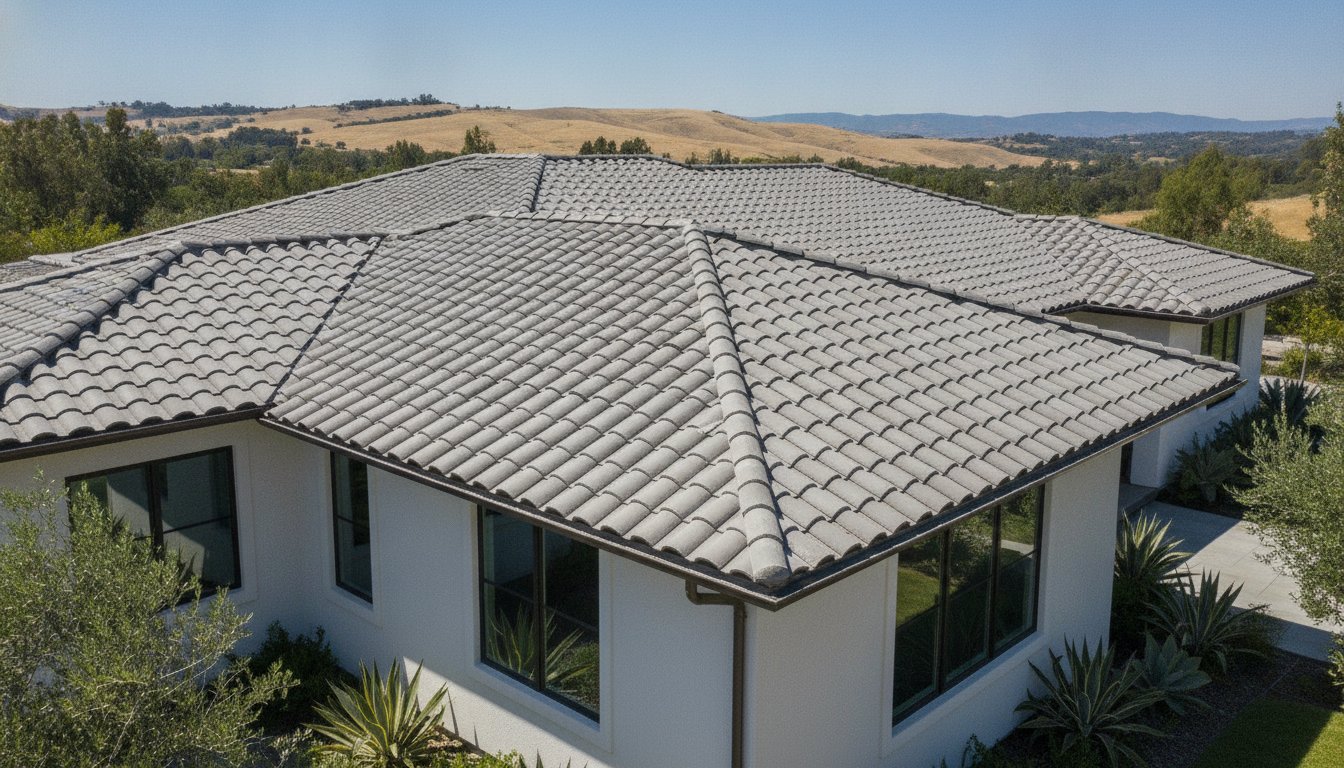
Did you know that a cool roof can stay up to 60°F cooler than a traditional dark roof during the peak of summer? For homeowners in Lake Elsinore and across the Inland Empire, identifying the best roof tiles for Southern California is about more than curb appeal; it's a vital step in managing extreme heat and wildfire risks. You likely agree that rising utility bills and safety concerns are constant pressures on your property investment. This 2026 guide is designed to help you discover the best roof tiles for Southern California by breaking down the latest Title 24 energy standards and fire safety codes. We promise to provide clear, expert-driven insights into durable and energy-efficient materials that protect your family for decades. We'll preview the differences between clay and concrete, explain why ventilation is critical for longevity, and show you how to choose the best roof tiles for Southern California to ensure your home remains a safe, comfortable haven. By focusing on quality and regional expertise, we help you turn a necessary repair into a long-term asset.
Key Takeaways
- Learn how to protect your home from the intense 100°F+ Inland Empire heat and coastal salt air by selecting materials designed for regional climate extremes.
- Compare the durability, fire resistance, and aesthetic appeal of clay, concrete, and composite options to identify the best roof tiles for Southern California properties.
- Discover how integrating "Cool Roof" technology with proper attic ventilation can drastically reduce energy consumption and lower your monthly utility bills.
- Understand the benefits of the "Lift and Relay" service as a sustainable and cost-effective alternative to a full roof replacement when your tiles are still in good condition.
- See why UEC Roofing’s experience with over 2,000 regional projects provides the local expertise needed to navigate 2026 building codes and Title 24 requirements.
Southern California Climate: Why Tile Selection Matters
The best roof tiles for Southern California must withstand more than just sunshine. Our region presents a unique geographical split that demands specific material performance. Inland Empire residents face summer temperatures frequently exceeding 100°F, which causes roofing materials to expand and contract rapidly. This thermal movement can lead to stress fractures in lower-quality products. Conversely, coastal homeowners in Huntington Beach or Carlsbad deal with salt air that accelerates corrosion on metal components and porous surfaces. Choosing a roof without considering these microclimates is a costly mistake.
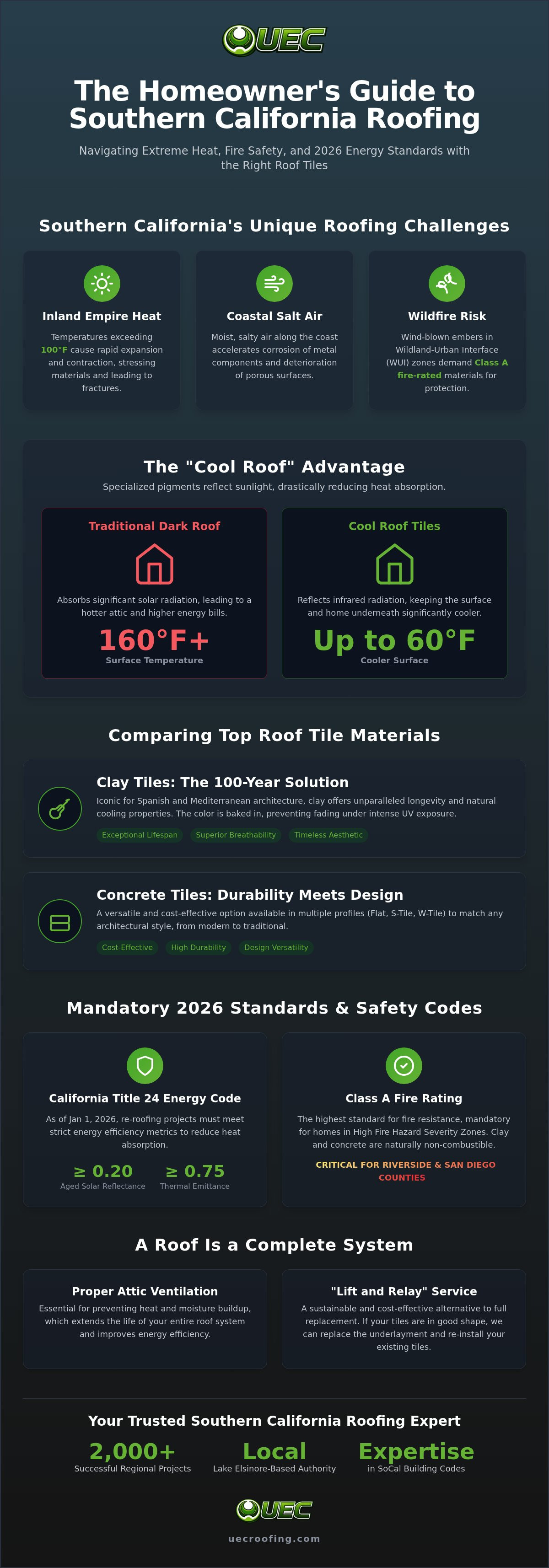
State regulations also dictate your choices. As of January 1, 2026, California Title 24 standards for single-family re-roofing projects in most Southern California climate zones require specific performance metrics. Your roof must meet a minimum aged solar reflectance of 0.20 and a minimum thermal emittance of 0.75. These requirements ensure your home reflects heat rather than absorbing it into your living space. Clay and concrete roof tiles are the primary materials used to meet these strict energy and durability standards across Riverside and Los Angeles Counties.
Heat Resistance and UV Protection
Intense UV radiation in San Bernardino and Orange Counties degrades standard roofing materials faster than in cooler climates. This radiation breaks down chemical bonds in shingles, leading to brittleness and premature failure. Tile roofing excels here due to its high thermal mass. It absorbs heat during the day and releases it slowly at night, which helps regulate indoor temperatures. To stay compliant with 2026 mandates, we recommend "Cool Roof" colors. These specialized pigments reflect infrared radiation, and they can keep a roof surface up to 60°F cooler than traditional dark materials during peak July heat.
Fire Safety and Building Codes
Fire resistance is a critical priority for homeowners in the Wildland-Urban Interface (WUI) zones of Riverside and San Diego Counties. The 2026 California Wildland-Urban Interface Code mandates Class A fire-rated roof assemblies for projects in High and Very High Fire Hazard Severity Zones. Non-combustible materials like clay and concrete provide a natural defense against wind-blown embers, which are the leading cause of home loss during wildfires. A Class A fire rating represents the highest industry standard for flame spread resistance and structural integrity during a fire event. We ensure every installation in these vulnerable areas meets or exceeds local San Bernardino and Riverside County ordinances to provide lasting peace of mind.
Comparing the Best Roof Tiles: Clay vs. Concrete vs. Composite
Choosing the best roof tiles for Southern California requires balancing aesthetics with structural reality. While clay and concrete are the regional standards, each material serves a different architectural and functional purpose. All installations must adhere to strict California building codes to ensure safety and performance. You'll need to consider how each material handles the Inland Empire's heat and the specific weight limits of your home's framing.
Clay Tiles: The 100-Year Solution
Clay tiles are iconic in Orange County and San Diego. They offer unmatched color longevity because the color is baked into the material, preventing fading under the relentless sun. The natural breathability and air circulation of barrel-style tiles provide a significant advantage for temperature regulation. This material remains the preferred choice for historic Spanish-style architecture, providing a timeless look that can last a century with proper care and maintenance.
Concrete Tiles: Durability Meets Design
Concrete is a versatile, cost-effective alternative to clay. It comes in Flat, S-tile, and W-tile profiles to match modern or traditional designs. Flat tiles provide a clean, modern aesthetic for contemporary homes in Los Angeles, while S-tiles replicate the classic Mediterranean wave. Homeowners in Riverside and San Bernardino Counties often prefer concrete for its balance of price and performance. We always recommend checking the structural requirements for standard versus lightweight concrete tiles to see if your home requires reinforcement.
Understanding which options represent the best roof tiles for Southern California homeowners often comes down to the structural capacity of the building. For homes with strict weight limits, composite or synthetic tiles offer a lightweight innovation. They mimic the look of slate or clay without the massive load of traditional materials. If you're switching from shingles to heavy tile, a structural engineer must verify your rafters can support the weight. As a Lake Elsinore-based contractor with over 2,000 projects, we often suggest a lift and relay roofing service if your existing tiles are still in good condition but your underlayment has reached the end of its life.
Energy Efficiency and Attic Ventilation for SoCal Homes
A high-performance roof is more than just the material on top; it's a complete system designed to manage heat. In densely populated areas like Anaheim and Corona, the "Heat Island" effect causes ambient temperatures to stay elevated, forcing air conditioning units to work harder. The best roof tiles for Southern California perform at their peak only when paired with an engineered ventilation strategy. Without proper airflow, attics in Riverside can become superheated, reaching temperatures over 150°F. This trapped heat radiates downward into your living space, driving up utility bills and straining your HVAC system.
Effective ventilation requires a strategic combination of intake and exhaust points. We utilize several specialized components to achieve this balance:
- Ridge Vents: These are installed along the peak of the roof to allow hot air to escape naturally.
- O’Hagin Vents: These low-profile vents are designed specifically for tile systems to provide maximum airflow without disrupting the roof's aesthetic.
- Solar-Powered Attic Fans: This active ventilation pulls heat out of the attic space using renewable energy, which is especially effective during the peak sun hours of the Inland Empire.
The 'Cool Roof' Advantage
Reflective coatings on modern concrete and clay tiles are essential for Title 24 compliance. These technologies bounce solar energy back into the atmosphere rather than absorbing it into the structure. While the initial investment for "Cool Roof" materials might be slightly higher, the long-term ROI is substantial. Over a 30-year lifespan, the reduction in cooling costs provides significant financial relief. All our systems adhere to CA State Fire Marshal roofing standards, ensuring that energy efficiency never comes at the expense of fire safety in vulnerable WUI zones.
Ventilation as a Longevity Tool
Ventilation does more than lower your bills; it actively protects your home's structural integrity. Trapped moisture and extreme heat can bake the roof felt and cause plywood decks to warp or rot over time. When an attic isn't vented properly, the underlayment becomes brittle and fails decades before the tiles themselves reach the end of their life. Balanced intake and exhaust ventilation prevents heat-related roof failure. By maintaining an attic temperature closer to the outside air, you preserve the elasticity of the underlayment and protect the plywood from dry rot, ensuring your roof remains a "roof for life."
Extending Lifespan: Maintenance and the Lift and Relay Alternative
While clay and concrete are often the best roof tiles for Southern California due to their 50-year plus durability, the system beneath them often fails much sooner. The felt underlayment, typically made of asphalt-saturated paper, degrades under the intense Inland Empire heat long before the tiles themselves show wear. This creates a situation where your home's armor remains intact, but the waterproof skin is failing. Identifying this early allows you to preserve your investment without the cost of a full replacement.
The Lift and Relay Process
The lift and relay roofing service is a specialized solution that addresses underlayment failure while keeping your existing tiles. We carefully remove your original tiles, install new high-grade felt or synthetic underlayment, and then reinstall the same tiles. This process is the most sustainable option for homeowners in Riverside and San Diego Counties because it prevents thousands of pounds of functional material from entering local landfills. A lift and relay is ideal when your tiles are structurally sound but you've noticed leaks or the roof is over 20 years old. It provides the security of a new roof at a fraction of the price of new materials.
Preventative Maintenance Checklist
Regular upkeep is the only way to ensure your roof lasts its full intended lifespan. Before the winter rainy season hits Orange County and Los Angeles, a thorough inspection is essential. Water intrusion often starts at the most vulnerable points of the system. Look for these specific warning signs during your annual check:
- Slipped or cracked tiles that expose the underlayment to direct UV rays.
- Debris-filled valleys that cause water to back up under the tile laps.
- Rusted or detached flashings around chimneys, vents, and skylights.
Scheduling a roof tune up prevents minor issues from turning into emergency repairs during a storm. For tiles that have lost their luster but remain structurally sound, understanding the difference between roof rejuvenation vs replacement can save you thousands. We pride ourselves on being a straight shooter for our neighbors in Lake Elsinore and San Bernardino Counties, offering honest assessments of your roof's condition based on our experience with over 2,000 regional projects.
Protect your home and your family with a professional inspection from a trusted local expert. Contact UEC Roofing today to schedule your roof repair or maintenance service and ensure your roof is ready for whatever the Southern California climate brings.
Why UEC Roofing is Your Trusted SoCal Tile Expert
We've completed over 2,000 successful projects across Riverside, San Diego, and Orange Counties. Our brick-and-mortar presence in Lake Elsinore isn't just a mailing address; it's our commitment to the local community. We've seen firsthand how the Inland Empire sun degrades inferior materials over decades. Selecting the best roof tiles for Southern California requires an understanding of how these materials interact with regional winds and salt air. We aren't just installers. We're specialists in specialized systems including tile, metal, foam, and flat roofing. This broad expertise allows us to recommend the right solution for every architectural style.
Local Authority and Expertise
Our deep knowledge of Southern California building codes and fire regulations ensures your home stays compliant and safe. We've spent years navigating the evolving Title 24 requirements and WUI ordinances that affect San Bernardino and Riverside Counties. Our technicians are true specialists in roof leak repair Riverside CA. They use real-world experience to solve complex drainage and structural issues. We value honesty above all else. This is why we provide complete transparency in roof replacement cost estimates. You'll receive a clear, detailed breakdown of every expense before work begins.
Comprehensive Protection
A roof is much more than an aesthetic choice; it's a critical investment for protecting your property value and your family. Our "Roofer for Life" philosophy means we're here for the long haul. We don't just finish a project and disappear. We partner with you for ongoing maintenance, tune-ups, and rejuvenation. Selecting the right residential roofing contractor Southern California is the most important decision you'll make for your home's longevity. We take immense pride in our craftsmanship, ensuring every tile is secure and every flashing is watertight. Our goal is to provide a roof that offers 50 years of worry-free protection.
Don't wait for the next major storm to test your home's defenses. Schedule your expert tile roof inspection today to ensure your property is protected by the best in the business. We look forward to showing you the UEC Roofing difference.
Securing Your Home’s Future with the Right Tile System
Selecting the best roof tiles for Southern California is an investment in your property’s long-term stability and safety. You now understand how Title 24 compliance and Class A fire ratings protect your family while "Cool Roof" technology lowers your monthly utility bills. Whether you choose the timeless beauty of clay or the versatile durability of concrete, proper attic ventilation remains the secret to maximizing your roof’s lifespan. Our team at UEC Roofing brings the expertise of over 2,000 completed local projects to every consultation and repair. As a dedicated brick-and-mortar business in Lake Elsinore, we take immense pride in being your specialized tile maintenance experts. We don't just install roofs; we build lasting relationships based on trust and craftsmanship. Don't wait for the next major storm to address your roofing needs. Contact UEC Roofing today for a professional tile roof inspection and estimate! We look forward to helping you protect what matters most with a roof built to last a lifetime.
Frequently Asked Questions
How long does a tile roof last in Southern California?
A high-quality tile roof can last between 50 and 100 years in our region. While the clay or concrete tiles are incredibly durable, the asphalt felt underlayment typically requires replacement every 20 to 30 years. This is why we often recommend a lift and relay service for homeowners in Menifee and Temecula. Regular maintenance ensures the best roof tiles for Southern California reach their full potential without causing structural water damage.
Are tile roofs better than asphalt shingles for fire protection?
Yes, tile roofs offer superior fire protection compared to standard asphalt shingles. Clay and concrete are non-combustible materials that naturally achieve a Class A fire rating. This is a critical factor for properties in fire-prone areas of Riverside and San Diego Counties. Embers from a wildfire are less likely to ignite a tile surface; this provides a vital layer of defense for your family and property during the dry season.
Do I need to reinforce my house for a tile roof?
It depends on your home's current framing. Standard concrete and clay tiles are significantly heavier than asphalt shingles, often requiring a structural inspection to ensure your rafters can support the load. If you're upgrading from shingles in Corona or Anaheim, we may recommend lightweight tile options or structural reinforcement. We always verify these requirements before beginning any installation to ensure long-term stability and safety for your significant property investment.
What is the best color for a roof tile to save on energy?
Lighter colors and tiles with specialized reflective coatings are the most effective for energy savings. These "Cool Roof" options reflect solar radiation rather than absorbing it into your attic. For homeowners in the Inland Empire, choosing a CRRC-rated color can reduce attic heat gain by up to 30 percent. This directly translates to lower air conditioning usage and reduced utility bills during our intense 100°F plus summer days in cities like Murrieta.
Can I walk on my tile roof to clean the gutters?
We strongly advise against walking on your tile roof. Tiles are brittle and can easily crack under the weight of an inexperienced person, leading to hidden leaks. Even if a tile doesn't shatter immediately, the pressure can damage the underlying felt. If you need gutter cleaning or an inspection in Moreno Valley or Winchester, it's best to hire professionals who use specialized equipment to distribute weight safely across the surface. To minimize the need for such risky maintenance, you can learn more about Leaf Stopper and see how high-quality gutter guards prevent debris accumulation.
You should have your tile roof inspected at least once a year, preferably before the winter rains begin. In the Inland Empire, the extreme heat of summer can cause tiles to shift or expansion cracks to form. Our team in Lake Elsinore recommends annual "tune-ups" to clear debris from valleys and check for slipped tiles. This preventative approach is the most cost-effective way to avoid expensive emergency leak repairs in Wildomar or Murrieta.
What is a 'Cool Roof' and is it required in California?
A "Cool Roof" uses materials designed to reflect more sunlight and absorb less heat than standard roofing. Under the 2026 California Title 24 standards, these systems are required for most new roofs and major re-roofing projects in Southern California climate zones. These regulations help combat the heat island effect in cities like Orange and Riverside. We ensure every installation meets these specific solar reflectance and thermal emittance requirements for full legal compliance.
Can I replace just the felt on my tile roof without buying new tiles?
Yes, this process is known as a lift and relay. If your existing clay or concrete tiles are still in good condition, we can carefully remove them to replace the failed underlayment. This is a popular, sustainable choice for homeowners in San Diego and Fallbrook. It allows you to restore your roof's waterproofing integrity while saving on the cost of new materials. We've successfully performed this specialized service on hundreds of regional projects.